
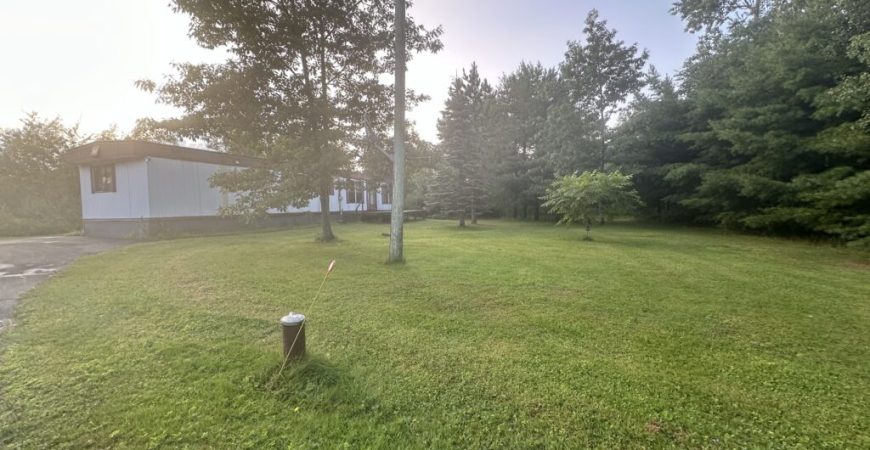
Buying a Home in Nova Scotia With a Well and Septic System: What You Need to Know
If you’re thinking about buying a rural home in Nova Scotia, there’s a good chance you’ll come across properties with private wells and septic systems.
Whether you’re looking for a country home outside Truro, a waterfront property in Tatamagouche, acreage near Parrsboro, or a quiet retreat in Cumberland County, understanding how these systems work is an important part of buying with confidence.
And if you’ve always lived in a home with municipal water and sewer services, you might have a few questions.
Is well water safe to drink? How do you know if a septic system is working properly? What should you test before buying? And what happens if something needs to be repaired?
Let’s walk through what you should know before purchasing a home with a private well and septic system in Nova Scotia.
What Is the Difference Between Municipal Services and Private Systems?
In many towns and established residential neighbourhoods, homes are connected to municipal water and wastewater infrastructure.
With municipal services, the local utility or municipality generally manages the broader system, while homeowners remain responsible for certain components on their property.
In rural Nova Scotia, however, many homes rely on their own water supply and wastewater treatment systems.
That means the property owner is responsible for monitoring, maintaining, and arranging repairs to those private systems.
Private systems aren’t necessarily a disadvantage. In fact, they’re completely normal throughout rural Nova Scotia.
The important part is understanding what you’re buying.
Understanding Private Wells in Nova Scotia
A private well supplies water to the property from an underground source.
Two common types of wells you’ll encounter are drilled wells and dug wells.
Drilled Wells
Drilled wells are generally deeper and narrower, accessing groundwater through a borehole.
Their construction, depth, yield, and water quality can vary depending on the location and geological conditions.
Dug Wells
Dug wells are typically wider and shallower.
Because they may be more influenced by surface conditions, protecting them from contamination is particularly important.
Neither type should automatically be considered suitable or unsuitable simply because of its construction.
The condition, location, water quality, and available supply all matter.
Should You Test Well Water Before Buying a Home?
Yes. Water testing is one of the most important steps when considering a home with a private well.
Water that looks clear, smells normal, and tastes fine can still contain contaminants.
Nova Scotia recommends that private well owners test for bacteria every six months and chemical contaminants every two years.
For a real estate purchase, buyers should discuss appropriate testing with qualified professionals and their REALTOR®, taking into account the property’s circumstances and transaction timelines.
What Should Well Water Be Tested For?
Depending on the property and its location, testing may include:
- Total coliform bacteria and E. coli
- Arsenic
- Uranium
- Manganese
- Nitrate and nitrite
- Other relevant chemical parameters
The appropriate testing package can depend on local conditions and the water source.
Use an appropriately accredited laboratory and review the results carefully.
If a result is outside a health-based guideline, don’t assume that simply installing a filter will solve every concern. Treatment should be selected based on the specific contaminant and verified for effectiveness.
What About Water Quantity?
Water quality and water quantity are two separate questions.
A well may produce excellent drinking water but have limited capacity during periods of heavy use or dry weather.
Buyers should ask about available well records, historical performance, and any known water supply issues.
Where appropriate, arrange professional assessment of the well’s yield and recovery.
https://www.hubwelldrilling.ca
Understanding Septic Systems in Nova Scotia
A private septic system manages wastewater from toilets, sinks, showers, laundry, and other household plumbing.
A conventional system generally includes a septic tank and a disposal field, although system designs vary.
The tank separates solids from wastewater, while the treatment and disposal components manage the remaining effluent.
A properly designed, installed, and maintained septic system can provide reliable service for many years.
But like any major property system, it requires maintenance.
How Do You Know If a Septic System Is Working Properly?
This is where buyers need to ask the right questions.
A seller may have used the system without noticing any problems, but that doesn’t necessarily confirm its condition or suitability.
Potential warning signs can include:
- Sewage odours inside or outside the home
- Slow drains or recurring plumbing backups
- Unusually wet or soggy ground near the disposal area
- Sewage surfacing on the property
- A history of frequent pumping or repairs
- Limited documentation about the system
Some septic problems may not be obvious during an ordinary home viewing.
That’s why appropriate professional evaluation and available documentation are valuable.
What Documents Should Buyers Request?
Depending on what’s available, useful information may include:
- Septic installation permits and approvals
- System design or site plans
- Tank location and disposal field location
- Pumping and maintenance records
- Records of repairs or replacements
- Any known history of system problems
Not every older property will have complete documentation.
Missing records don’t automatically mean the system is defective, but they may increase the importance of further investigation.
Can You Get a Septic Inspection Before Buying?
Yes, and it’s worth discussing with your REALTOR® before submitting an offer.
A qualified septic professional may be able to assess accessible components, review available records, and identify concerns that warrant further investigation.
The scope of a septic inspection varies. Some components may be underground or otherwise inaccessible without additional work.
Buyers should understand what the inspection includes, what it excludes, and whether additional testing is recommended.
A general home inspection should not be assumed to provide a complete septic system assessment.
What Happens If the Well or Septic System Fails an Inspection?
First, determine what the results actually mean.
A water test identifying bacterial contamination is different from a chemical contaminant requiring specialized treatment.
Similarly, a septic system needing routine maintenance is different from one requiring major repairs or replacement.
Depending on the circumstances, buyers may consider:
- Additional professional investigation
- Obtaining repair or treatment estimates
- Discussing the findings with their lender or insurer
- Negotiating appropriate terms with the seller
- Proceeding or withdrawing in accordance with their agreement and applicable conditions
The important thing is not to make assumptions before understanding the issue.
https://septictankpumping.ca/common-questions/
What Does It Cost to Maintain a Well and Septic System?
There isn’t one reliable annual cost that applies to every rural property.
Expenses depend on the system type, age, condition, usage, location, and maintenance requirements.
Owners should budget for regular water testing, septic pumping when needed, well equipment maintenance, and eventual repairs or replacement.
Some systems may operate for long periods with relatively modest routine expenses, while unexpected problems can be costly.
When evaluating a property, consider both routine maintenance and the possibility of larger future expenditures.
Special Considerations for Waterfront and Rural Properties
Properties near the Bay of Fundy, Northumberland Strait, rivers, lakes, and rural waterways may have additional site considerations.
Soil conditions, drainage, slopes, setbacks, coastal exposure, and available land can affect the feasibility of repairing or replacing wastewater systems.
This is particularly important when considering smaller waterfront lots or properties with limited usable land.
If you’re planning to add bedrooms, expand a home, build another dwelling, or change how the property is used, investigate whether the existing septic system is suitable and what approvals may be required.
Never assume an existing system can support future development.
My Advice for Buyers Considering Rural Nova Scotia Real Estate
I love helping buyers explore rural properties because the opportunities can be incredible.
More privacy, beautiful scenery, room for hobbies, and access to nature are all reasons people are drawn to communities throughout Colchester and Cumberland Counties.
But I also believe buyers deserve to understand the practical side of rural ownership.
Before purchasing a home with a private well and septic system, I encourage you to understand the systems, review available records, arrange appropriate testing and inspections, and consider the property’s future needs.
The goal isn’t to make rural ownership feel intimidating.
It’s to help you make an informed decision about a property you can enjoy for years to come.
Frequently Asked Questions About Wells and Septic Systems in Nova Scotia
Is it safe to drink well water in Nova Scotia?
Private well water can be safe to drink, but safety cannot be determined by appearance, smell, or taste alone. Regular laboratory testing is essential, and treatment may be necessary depending on the results.
How often should I test my well water?
Nova Scotia recommends testing private wells for bacteria every six months and chemical contaminants every two years. Additional testing may be appropriate after flooding, repairs, changes in water quality, or other potential contamination events.
Do I need a septic inspection when buying a house?
A septic inspection is not automatically included in a standard home inspection. Buyers should discuss an appropriate septic evaluation and relevant purchase conditions with their REALTOR® and qualified professionals.
Can I build an addition on a property with a septic system?
Possibly, but the existing system’s capacity, proposed changes, site conditions, and applicable approval requirements need to be reviewed before proceeding.
Is a drilled well better than a dug well?
Not automatically. Each well should be evaluated based on its construction, condition, water quality, available supply, and site conditions.
Can a home be sold with a problem well or septic system?
Yes, a transaction may still be possible, depending on the issue and the parties’ circumstances. Known defects must be handled in accordance with applicable disclosure requirements, and buyers should investigate costs, risks, financing implications, and possible remedies.
Thinking About Buying a Rural Home in Nova Scotia?
Whether you’re searching for acreage near Truro, a home outside Bible Hill, a waterfront property in Tatamagouche, or a rural retreat around Parrsboro or Advocate Harbour, I’d love to help you explore your options.
I bring both real estate experience and a practical understanding of property ownership, renovations, and investing to the process.
Finding the right property means understanding not just what you love about it, but how it works.
Continue your rural-property research
Explore Colchester County and our relocation guide. Ask Rachel about planning your search and property-inspection questions.
Rachel Thibodeau, REALTOR® | CIAS
RE/MAX County Line Realty Ltd.
Cell: 902-890-4211
Email: reachrealtorrachel@gmail.com
Website: rachelthibodeau.ca
Instagram @novascotiarealtorrachel
Facebook @rachelthibodeaurealtornovascotia
LinkedIn @novascotiarealtorrachel
TikTok @novascotiarealtorrachel
Pinterest @novascotiarealtorrachel
2025 RE/MAX 100% Club
2026 NSAR Committees: Education · Bursary · PMAC + Policy
“Strategic Guidance. Genuine Care.”


