

Should You Sell Your Home in Nova Scotia During the Winter?
If you’ve been thinking about selling your home in Nova Scotia, you’ve probably wondered whether it’s better to wait until spring.
After all, spring is traditionally associated with real estate activity. The snow disappears, gardens start blooming, and homeowners begin preparing their properties for the market.
But here’s the thing. The best time to sell your home isn’t necessarily the same time everyone else decides to sell theirs.
Whether you’re in Truro, Bible Hill, Tatamagouche, Amherst, Parrsboro, or elsewhere in Northern Nova Scotia, selling during the winter can make sense under the right circumstances.
Let’s look at the advantages, challenges, and factors worth considering before making your decision.
1. There May Be Less Competition From Other Sellers
One potential advantage of listing your home during the winter is that fewer homeowners may choose to put their properties on the market.
When buyers have fewer comparable homes to consider, a well-presented property can attract meaningful attention.
Of course, fewer listings don’t automatically mean a faster sale or a higher price. Buyer activity can also slow during the winter months.
The important question is how much competition your particular property will face.
For example, a three-bedroom family home in Bible Hill may appeal to a different group of buyers than a waterfront cottage in Malagash or a rural property outside Parrsboro.
Your property’s location, price range, condition, and intended buyer all influence whether winter is a good time to list.
2. Winter Buyers May Have Specific Reasons to Move
Not everyone shopping for a home during November, December, January, or February is casually browsing.
Some buyers are relocating for employment, navigating changes in family circumstances, purchasing investment properties, or working toward a particular closing date.
Others may have sold their existing homes and need to find somewhere new.
These circumstances can create motivation, but it’s important not to assume every winter buyer is ready to make an immediate offer.
A smaller pool of buyers can still be valuable when your property is appropriately priced and reaches the right audience.
3. Your Home’s Winter Performance Can Be an Advantage
Living in Nova Scotia means understanding the realities of our climate.
Buyers often want to know how a home performs when temperatures drop.
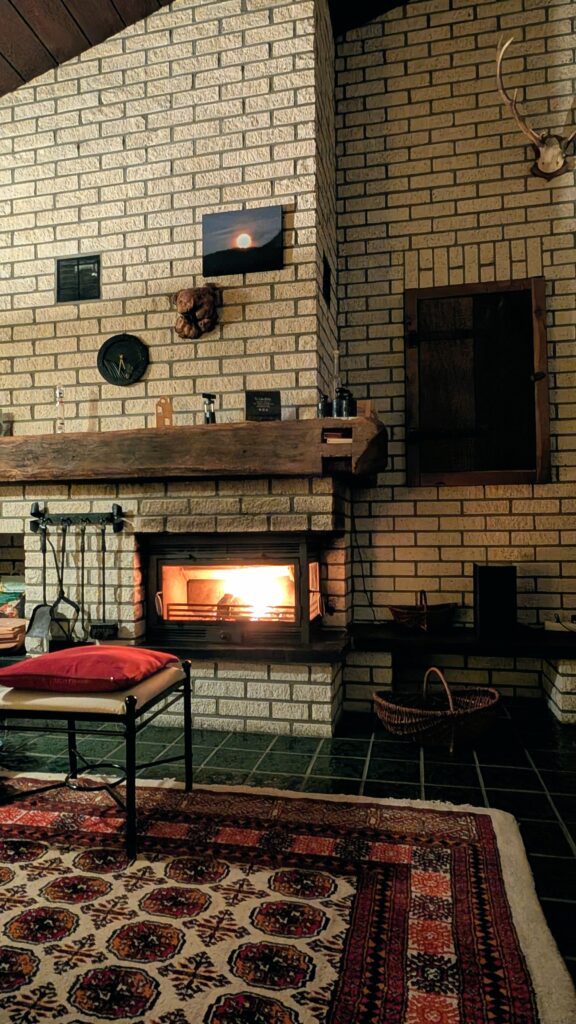
A warm, comfortable home with an efficient heating system, properly maintained windows, good insulation, and accessible parking can make a positive impression during a winter showing.
Features worth highlighting include:
- Heat pumps and other efficient heating systems
- Recent insulation or energy-efficiency upgrades
- Updated windows and exterior doors
- A well-maintained roof and drainage system
- Reliable snow removal and driveway access
- A generator or backup heating system, where applicable
- Comfortable, functional indoor living spaces
These are practical details that help buyers understand what everyday life in the property might look like.
For rural homes in Colchester and Cumberland County, winter accessibility and maintenance can be especially important.
4. Winter Photography Requires a Different Approach
One of the biggest challenges of selling a home during winter is presentation.
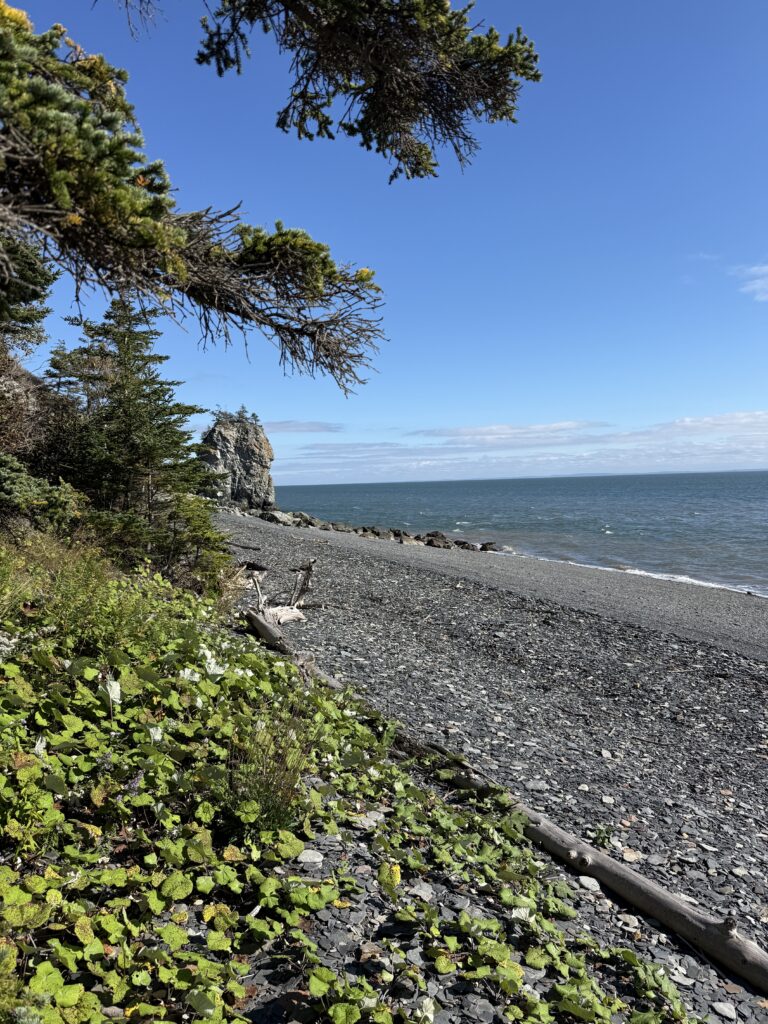
A beautiful garden, mature landscaping, outdoor entertaining area, or waterfront view may look very different under snow.
That doesn’t mean your property can’t photograph beautifully.
It means the marketing needs to be intentional.
I often recommend focusing on natural interior lighting, clean and welcoming spaces, and the features that make a property comfortable throughout the year.
If you have quality photographs showing your property during warmer months, those may also help buyers appreciate seasonal features, provided they’re accurately represented and clearly identified when appropriate.
For waterfront properties, cottages, and rural acreage, showing the property across different seasons can be particularly helpful.
Buyers deserve to understand what they’re purchasing, regardless of when they visit.
5. Pricing Matters More Than the Season
This is where I believe sellers need to be especially thoughtful.
Listing your home in January doesn’t automatically mean you should accept less money.
But it also doesn’t mean reduced competition guarantees a premium price.
The right asking price depends on comparable properties, recent sales, current competing listings, condition, location, and buyer demand.
In smaller Nova Scotia communities, there may be limited recent sales that closely match your property.
That’s why pricing requires more than simply looking at an online estimate or applying a percentage to a neighbouring sale.
A thoughtful pricing strategy should reflect what buyers are actually willing to pay for a property like yours in the current market.
6. Some Properties May Be Better Suited to a Spring Launch
Winter isn’t the ideal selling season for every property.
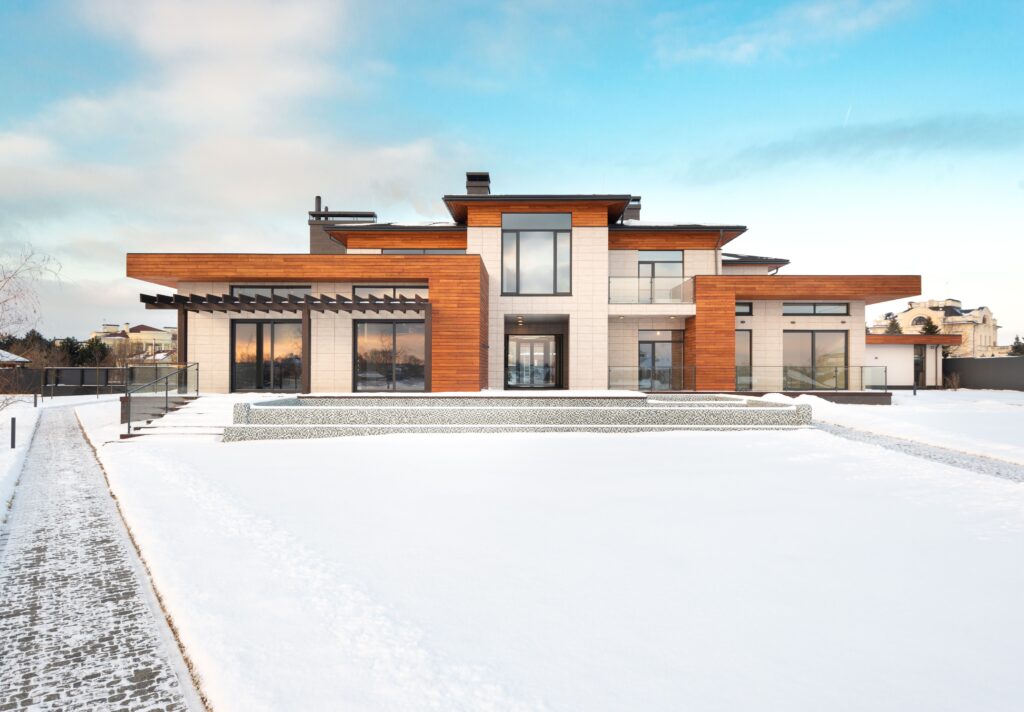
Vacant land, recreational cottages, extensive acreage, and certain waterfront properties can be more difficult to evaluate when snow covers important features.
Buyers may have questions about boundaries, drainage, shorelines, seasonal road access, and the condition of exterior improvements.
For example, a rural property near Advocate Harbour or Five Islands might offer extraordinary outdoor features that are much easier to appreciate without snow cover.
In those situations, waiting until spring may be worth considering.
Alternatively, a seller may choose to list during winter with additional documentation, surveys, seasonal photography, and realistic expectations around inspections.
The decision should be based on the property itself, not simply the calendar.
7. How to Prepare Your Nova Scotia Home for Winter Showings
If you decide to list during the colder months, a few practical preparations can make a meaningful difference.
Keep access safe and convenient
Clear snow and ice from driveways, walkways, steps, and entrances. Make sure buyers can safely access garages, outbuildings, and other areas included in the showing.
Make the interior comfortable
Maintain a reasonable indoor temperature and ensure the heating system is functioning properly.
Maximize natural light
Open blinds and curtains where appropriate, clean windows, and turn on lighting before showings.
Stay ahead of winter maintenance
Address obvious issues such as drafts, ice buildup, leaks, and drainage concerns. Disclose known defects as required and avoid cosmetic changes that conceal problems.
Prepare useful property information
Heating costs, utility details, recent improvements, service records, and information about winter road maintenance may help buyers make informed decisions.
A well-prepared property helps buyers focus on the home rather than unanswered questions.
8. Should You Sell Now or Wait Until Spring?
This is the question I would encourage every seller to consider carefully.
Are you selling because you need to relocate? Are you hoping to downsize? Have you already found another property? Or are you simply exploring what your home might be worth?
Your circumstances matter.
If you’re comfortable staying where you are, waiting may give you additional time to prepare the property and evaluate market conditions.
If selling sooner would make a meaningful difference in your life, there’s no reason to dismiss winter without first reviewing the numbers.
The best decision is the one that makes sense for your property, your finances, and your next chapter.
Frequently Asked Questions About Selling a Home in Nova Scotia During Winter
Do houses sell in Nova Scotia during the winter?
Yes. Residential real estate transactions happen throughout the year in Nova Scotia. However, sales activity, available inventory, and buyer demand vary by location, property type, and market conditions.
Is it harder to sell a house in January or February?
It can be, particularly when weather limits showings or buyer activity slows. However, reduced competition and buyers with specific moving timelines can create opportunities for appropriately priced properties.
Should I wait until spring to list my house in Truro?
Not necessarily. The decision should depend on recent comparable sales, current competition, the condition of your property, and your personal timeline.
Can I sell waterfront property in Nova Scotia during winter?
Yes, although snow and ice can make some features more difficult to inspect. Seasonal photographs, surveys, property documentation, and appropriate inspection arrangements can help buyers evaluate the property.
Does selling in winter mean accepting a lower offer?
No. Winter does not automatically determine your selling price. Market demand, comparable sales, condition, marketing, and negotiation all influence the outcome.
Thinking About Selling Your Home in Northern Nova Scotia?
Whether you’re considering selling this winter or preparing for spring, understanding your options is a great place to start.
I help homeowners throughout Truro, Bible Hill, Colchester County, Cumberland County, Tatamagouche, Parrsboro, and surrounding Northern Nova Scotia communities make informed real estate decisions.
With experience in real estate investing, renovations, and property sales, I understand that every home and every situation deserves its own strategy.
If you’re wondering what your property might be worth or whether now is the right time to sell, I’d be happy to help you explore the possibilities.
Rachel Thibodeau, REALTOR®
RE/MAX COUNTY LINE REALTY LTD.
Strategic Guidance. Genuine Care.
www.rachelthibodeau.ca
Instagram: @novascotiarealtorrachel


