
The True Cost of Owning Waterfront Property in Nova Scotia: What Buyers Should Know
There’s something about living near the water that never really gets old.
Morning coffee overlooking the Northumberland Strait. Watching the tides roll through the Bay of Fundy. Summer evenings on the deck, boats passing in the distance, and the kind of peaceful surroundings that make you wonder why you didn’t make the move sooner.
Waterfront living in Nova Scotia can be pretty incredible.
But whether you’re considering an oceanfront home in Malagash, a cottage near Tatamagouche, a coastal property in Parrsboro, or acreage overlooking the Bay of Fundy, there’s more to consider than the asking price.
Owning waterfront property comes with expenses and responsibilities that can be different from owning a home inland.
And understanding those differences before you buy can help you make a much more confident decision.
Let’s explore the costs, risks, and practical considerations that every prospective waterfront buyer should understand.
1. Waterfront Property Taxes
Property taxes are an ongoing expense for every homeowner, but waterfront properties may have higher assessed values than comparable inland properties.
The amount you’ll pay depends on factors such as the property’s assessed value, classification, municipal tax rates, and any applicable programs or exemptions.
In Nova Scotia, the Property Valuation Services Corporation, commonly known as PVSC, assesses property values for taxation purposes.
However, your property’s assessed value isn’t necessarily the same as its current market value.
Before purchasing, review the property’s assessment information and investigate how a change in ownership may affect applicable assessment caps or tax calculations.
Don’t assume that the seller’s current property tax bill will be identical to yours.
2. Home Insurance and Coastal Exposure
Insurance is one of the most important expenses to investigate before purchasing waterfront property.
A home exposed to coastal winds, storm surge, flooding, or shoreline erosion may present different risks than a property farther inland.
Depending on the insurer, the property, and its location, coverage availability, premiums, deductibles, and exclusions can vary.
Some policies may exclude certain types of flooding or other water-related damage.
What should buyers do?
Contact an insurance professional early in the process and request a quote for the specific property.
Ask about:
- Coastal flooding and storm surge
- Sewer backup and overland water coverage
- Wind and storm damage
- Deductibles and exclusions
- Seasonal occupancy restrictions
- Coverage for docks and outbuildings
The goal is to understand not just what insurance costs, but what your policy actually protects.
3. Shoreline Erosion and Coastal Changes
Nova Scotia’s coastline is beautiful, but it isn’t static.
Shorelines can change over time due to tides, waves, storms, erosion, and other natural processes.
Some waterfront properties have relatively stable shorelines, while others may be more vulnerable.
The risk depends on local conditions, including geology, elevation, coastal exposure, and the property’s position relative to the water.
What should buyers investigate?
Before purchasing, consider reviewing available coastal hazard information and obtaining professional advice where appropriate.
Pay attention to:
- The distance between buildings and the shoreline
- Signs of active erosion
- Coastal slopes and bank stability
- Drainage and runoff
- Previous shoreline protection work
- Potential restrictions on future development
If a property has an existing retaining wall, rock protection, or other shoreline structure, investigate its condition and whether any work was appropriately authorized.
A beautiful waterfront view should be enjoyed with a clear understanding of the property’s long-term risks.
4. Maintenance Costs Can Be Higher Near Salt Water
Salt air, wind, moisture, and seasonal weather can be tough on buildings.
Depending on the property’s exposure and construction, waterfront homes may require more frequent attention to exterior materials and equipment.
This can include:
- Decks and railings
- Exterior paint and siding
- Windows and doors
- Roofing and flashing
- Metal fixtures and fasteners
- Outdoor heating and cooling equipment
- Docks, stairs, and shoreline access structures
That doesn’t mean every waterfront home will be expensive to maintain.
But it’s wise to plan for preventative maintenance and choose materials appropriate for the environment.
5. Wells, Septic Systems and Water Supply
Many waterfront homes and cottages in rural Nova Scotia rely on private wells and septic systems.
These systems require careful consideration because coastal properties may have limited space, challenging terrain, or sensitive site conditions.
A property with a beautiful view and a smaller lot may have fewer options for future septic repairs or replacement.
Buyers should investigate the location and condition of existing systems, available documentation, and any site-specific concerns.
If you’re considering renovating, adding bedrooms, or converting a seasonal cottage into a year-round home, don’t assume the existing services can accommodate those plans.
Professional assessment and appropriate approvals may be necessary.
6. Docks, Moorings and Waterfront Access
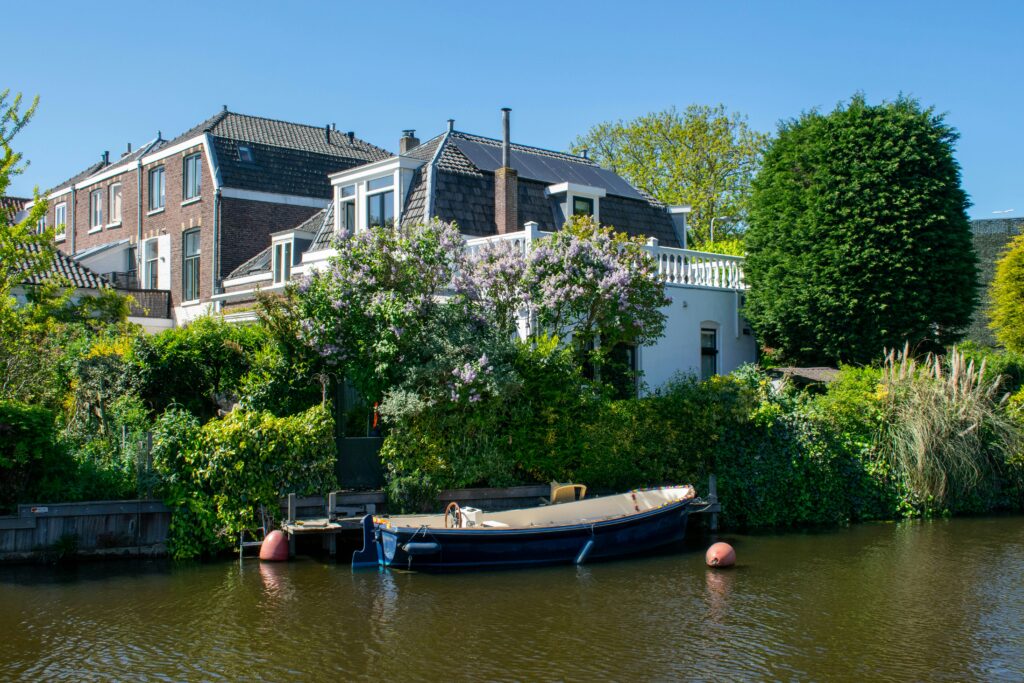
If you’re dreaming of keeping a boat at your property, this section is especially important.
Owning waterfront land doesn’t automatically mean you can install a dock or mooring wherever you choose.
The feasibility of boating access can depend on water depth, tidal conditions, shoreline characteristics, navigation requirements, ownership rights, and applicable permits.
In some locations, seasonal docks may be practical.
In others, tidal changes, exposure, or shallow water can make direct boat access challenging.
The Bay of Fundy is particularly known for its extreme tides, which can significantly affect shoreline accessibility.
Before buying, ask:
- Is the shoreline suitable for the type of boating I want to do?
- What is the water depth at different tide levels?
- Are there existing docks or moorings?
- What approvals might be required?
- Can equipment be safely installed, removed, and stored?
- Are there ongoing maintenance or association costs?
A waterfront property with a beautiful view isn’t necessarily a property with convenient boating access.
7. Seasonal Cottages Versus Year-Round Homes
A waterfront cottage can be a wonderful place to spend summers and weekends.
But if you’re considering using it year-round, investigate whether the property is equipped for all seasons.
Some important considerations include:
- Insulation and heating
- Foundation type
- Water supply and winterization
- Road access and snow removal
- Electrical service
- Septic system suitability
- Insurance requirements
- Internet and cellular service
A three-season cottage may require significant improvements before it can comfortably function as a year-round residence.
Those improvements should be researched and budgeted before purchasing.
8. Private Roads and Shared Maintenance
Many rural waterfront properties are accessed by private roads or shared driveways.
Depending on the property, owners may have responsibilities for grading, snow removal, drainage, and road repairs.
Some communities have formal road associations or shared maintenance agreements.
Others may rely on less formal arrangements.
Before purchasing, ask who owns and maintains the road, what legal access rights exist, and whether there are regular fees or special assessments.
Your lawyer should review the relevant documents.
This is especially important if you’re planning to live at the property year-round.
9. Short-Term Rental and Investment Considerations
Some buyers are interested in waterfront properties because they hope to generate rental income when they’re not using the home.
That can be an appealing idea, but rental potential shouldn’t be assumed.
Before purchasing, investigate the rules applicable to the property, including provincial short-term rental registration requirements, municipal land-use regulations, any private restrictions, and relevant tax and insurance obligations.
You’ll also need to consider operating expenses such as cleaning, maintenance, utilities, management, furnishing, and periods without bookings.
If you’re buying a waterfront property as an investment, evaluate it based on realistic income and expenses rather than optimistic rental projections.
10. The Cost of Getting to Your Waterfront Property
This is one expense buyers sometimes overlook.
A property might be attractively priced, but how far is it from your home, workplace, family, or essential services?
For seasonal owners, repeated travel can become a meaningful expense.
For year-round residents, consider commuting, winter driving, fuel costs, vehicle wear, and access to shopping and healthcare.
The right location is about more than scenery.
It’s about whether the property fits your lifestyle and how you intend to use it.
Is Waterfront Property in Nova Scotia a Good Investment?
Waterfront real estate can offer lifestyle value and, in some circumstances, long-term investment potential.
However, not every waterfront property will appreciate at the same rate or appeal to the same group of buyers.
Factors such as shoreline stability, access, property condition, location, permitted uses, insurance availability, and ongoing maintenance can all influence value.
I encourage buyers to evaluate the property as both a place to enjoy and a financial commitment.
A lower purchase price doesn’t always mean a better deal if the property requires extensive improvements or carries significant risks.
Northumberland Strait or Bay of Fundy: Which Is Better?
One of the wonderful things about Northern Nova Scotia is how different the coastal experiences can be.
Northumberland Strait
Communities such as Tatamagouche, Malagash, Wallace, and Pugwash are popular with buyers looking for beach access, boating, cottages, and coastal living.
The Strait is known for relatively warm summer coastal waters, although conditions vary by beach and season.
Bay of Fundy
Parrsboro, Five Islands, Advocate Harbour, and surrounding communities offer dramatic coastal scenery, remarkable tidal changes, and access to hiking and outdoor recreation.
The Bay of Fundy experience is quite different from the Northumberland Strait, especially when it comes to tides and shoreline access.
Neither is universally better.
It depends on whether your priorities include swimming, boating, privacy, scenery, year-round living, or recreational use.
Frequently Asked Questions About Waterfront Property in Nova Scotia
Is waterfront property more expensive to insure?
It can be, depending on coastal exposure, property characteristics, insurer requirements, and available coverage. Always obtain a quote for the specific property before purchasing.
Can I build a dock on my waterfront property?
Not automatically. Dock construction or installation may be subject to ownership rights, environmental rules, navigation requirements, and permits. Confirm the applicable requirements before making plans.
Do waterfront properties have higher property taxes?
Waterfront location may contribute to a property’s assessed value, but actual taxes depend on the assessment, classification, applicable tax rates, and other factors.
Can I rent out my waterfront cottage in Nova Scotia?
Potentially, but you’ll need to verify applicable provincial registration requirements, municipal rules, insurance, and any private restrictions before operating a short-term rental.
Is it better to buy waterfront or deeded beach access?
That depends on your priorities. Direct waterfront ownership and deeded access provide different rights, responsibilities, and potential costs. Have your lawyer review exactly what is included.
What should I inspect before buying waterfront property?
In addition to a general home inspection, consider shoreline conditions, drainage, insurance availability, private services, legal access, and any existing waterfront structures. Specialized professional assessments may be appropriate.
Thinking About Buying Waterfront Property in Northern Nova Scotia?
Whether you’re dreaming about a cottage in Malagash, a waterfront home near Tatamagouche, acreage overlooking the Bay of Fundy, or a peaceful coastal retreat in Cumberland County, I’d love to help you explore your options.
I’ve spent years working with rural properties, waterfront real estate, renovations, and investment opportunities.
And I believe buying a waterfront property should be about more than falling in love with the view.
It’s about understanding what you’re buying, what it costs to own, and whether it supports the lifestyle you want.
Rachel Thibodeau, REALTOR®
RE/MAX COUNTY LINE REALTY LTD.
Strategic Guidance. Genuine Care.
www.rachelthibodeau.ca
Instagram: @novascotiarealtorrachel


