

Moving to Cumberland County, Nova Scotia: What You Should Know Before Buying a Home
Thinking about moving to Cumberland County, Nova Scotia? Whether you’re relocating from Ontario, New Brunswick, another part of Canada, or simply looking for a different pace of life, this corner of Northern Nova Scotia has a lot to offer.
From the historic streets of Amherst to the dramatic Bay of Fundy coastline around Parrsboro, Cumberland County offers a surprisingly diverse range of communities, lifestyles, and real estate opportunities.
But here’s the thing. Moving to a smaller community isn’t just about finding a house you love. It’s about finding a place that works for your everyday life.
As a REALTOR® working throughout Cumberland County, I’ve seen how much the right location can influence someone’s happiness with their purchase.
So, before you start browsing properties, let’s talk about what you should actually know.
Where Is Cumberland County, Nova Scotia?
Cumberland County is located in Northern Nova Scotia, bordering New Brunswick and stretching across a large and varied landscape.
The county includes communities such as Amherst, Oxford, Springhill, Parrsboro, Pugwash, Wallace, River Hebert, Advocate Harbour, and many smaller rural and coastal areas.
One of the things I love about this region is how different the communities are from one another.
You can find traditional residential neighbourhoods, rural acreage, waterfront properties, historic homes, recreational cottages, and places where your nearest neighbour might be quite a distance away.
For buyers relocating from larger urban centres, that variety can be a big part of the appeal.
Which Cumberland County Community Should You Consider?
There isn’t one community that’s perfect for everyone. Each offers something different, and understanding those differences can save you considerable time during your property search.
Amherst: Convenience and Everyday Amenities
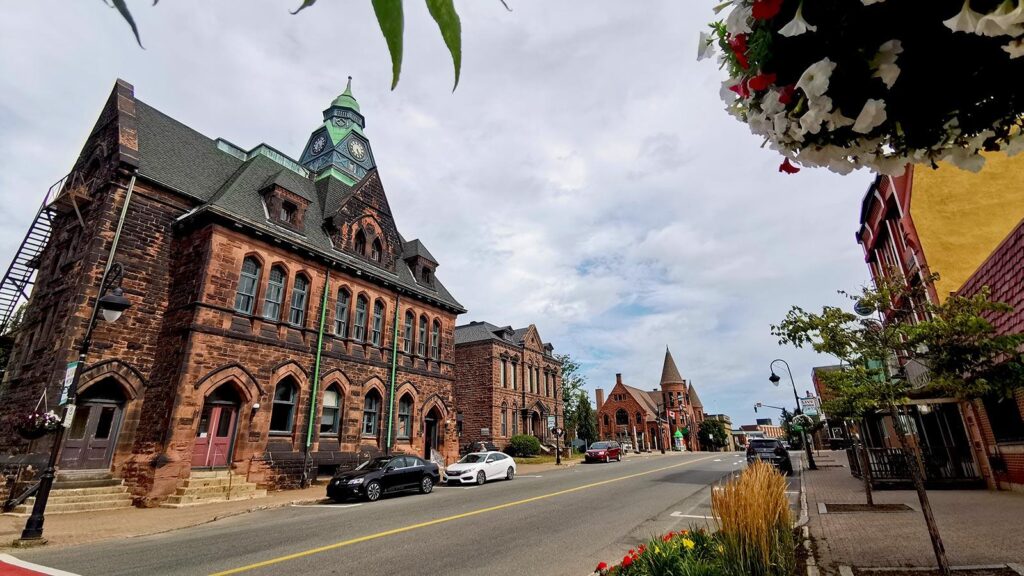
Amherst is one of Cumberland County’s primary service centres and is located close to the New Brunswick border.
You’ll find shopping, restaurants, schools, recreation, healthcare services, and a mix of residential neighbourhoods.
For buyers who want smaller-town living without giving up convenient access to everyday essentials, Amherst is worth exploring.
It’s also a practical location for people who regularly travel between Nova Scotia and New Brunswick.
Parrsboro: Coastal Scenery and Creative Community Living
Parrsboro is one of those places that tends to leave an impression.
Situated along the Bay of Fundy, the community is known for its remarkable tidal landscapes, arts and culture, geological history, and proximity to the Cliffs of Fundy UNESCO Global Geopark.
The surrounding area includes properties with ocean views, historic homes, rural acreage, and recreational opportunities.
For someone who appreciates nature, coastal scenery, and a quieter lifestyle, Parrsboro can be an appealing choice.
However, buyers should also consider travel distances, property maintenance, and access to services.
Pugwash and Wallace: Northumberland Strait Living
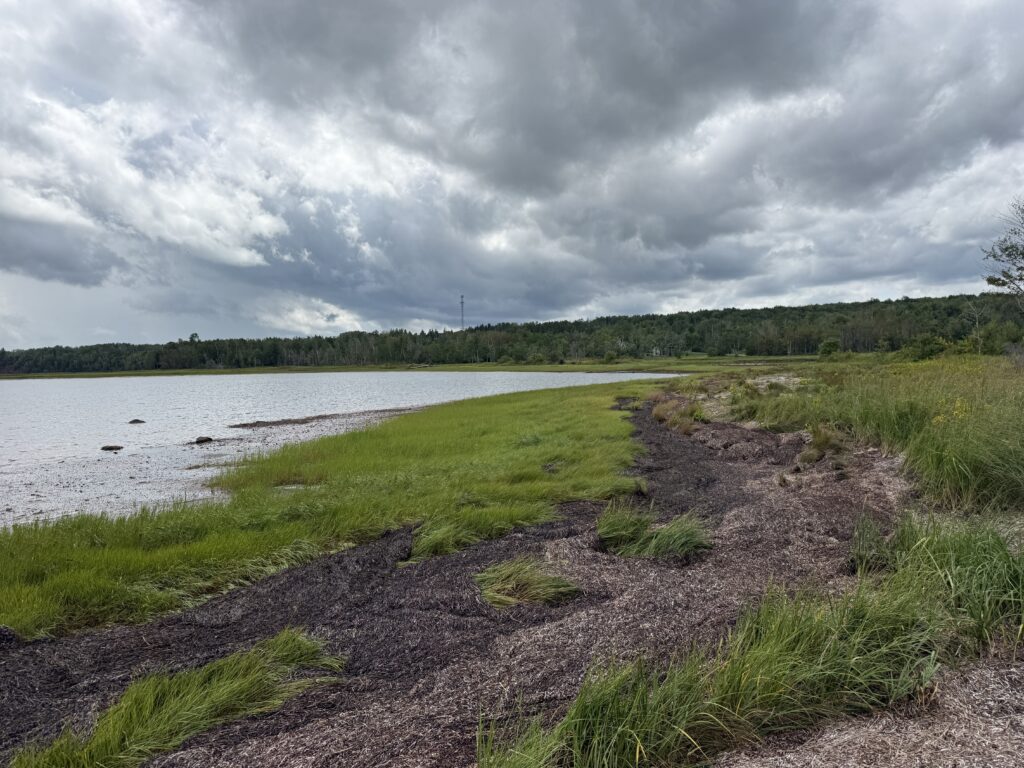
If coastal living is on your wish list, the Northumberland Strait side of Cumberland County deserves attention.
Pugwash and Wallace offer access to beaches, boating, recreational properties, and charming rural communities.
You’ll find a mixture of year-round residences, cottages, waterfront homes, and vacant land.
These areas can appeal to retirees, seasonal residents, and buyers who enjoy outdoor activities.
Just remember that waterfront ownership brings additional considerations, including shoreline conditions, coastal exposure, insurance, and maintenance.
Springhill and Oxford: Small-Town Living
Springhill and Oxford may appeal to buyers who prefer established communities and a more traditional small-town setting.
Both offer residential neighbourhoods and access to surrounding rural areas.
Depending on the property, buyers may find older homes with character, renovation opportunities, and properties that suit a variety of budgets.
When considering older housing, pay particular attention to heating systems, insulation, foundations, electrical systems, and the potential cost of improvements.
Advocate Harbour, Five Islands, and Rural Cumberland County
For buyers dreaming about privacy, acreage, or remarkable natural surroundings, rural Cumberland County offers some very interesting possibilities.
Communities around Advocate Harbour, Five Islands, River Hebert, and the surrounding countryside can provide access to wooded acreage, dramatic scenery, outdoor recreation, and a quieter pace of life.
But rural ownership requires a different kind of planning.
You need to think about road maintenance, internet access, well and septic systems, emergency services, and how the property functions during winter.
A beautiful view is wonderful. A property that supports your everyday needs is even better.
Is Cumberland County, Nova Scotia, Affordable?
Affordability is one of the reasons buyers begin exploring smaller communities in Northern Nova Scotia.
Depending on the location and property type, Cumberland County may offer options that differ significantly from larger Canadian housing markets.
However, affordable means more than the purchase price.
Your total cost of ownership may include:
- Mortgage payments and financing costs
- Property taxes
- Home insurance
- Heating and electricity
- Water and wastewater expenses
- Maintenance and repairs
- Snow removal and driveway upkeep
- Travel and commuting costs
A rural property with several acres may have a lower purchase price than a newer home in an established neighbourhood, but that doesn’t necessarily make it less expensive to own.
I always encourage buyers to look at the complete financial picture rather than focusing exclusively on the asking price.
What Should You Know About Buying Rural Property?
Rural real estate is one of my favourite parts of working in Northern Nova Scotia, but it also comes with questions that deserve careful answers.
Wells and Septic Systems
Many rural properties rely on private wells and septic systems rather than municipal services.
Before purchasing, understand the water source, available water-quality and quantity information, septic system details, maintenance history, and appropriate inspection or testing options.
Never assume a system is functioning properly simply because it has been used for years.
Internet and Cellular Service
If you work remotely, reliable connectivity can be essential.
Internet and cellular coverage can vary significantly between communities and even neighbouring properties.
Verify the available services at the exact civic address before committing to a purchase.
Road Access and Winter Maintenance
Some properties are accessed by private roads, shared driveways, or seasonal routes.
It’s important to understand who owns the road, who maintains it, whether there are legal access rights, and how snow removal is handled.
Zoning and Intended Property Use
Planning to operate a short-term rental, build an additional dwelling, keep animals, or develop land?
Don’t assume your plans are automatically permitted.
Zoning, land-use rules, permits, and applicable restrictions should be reviewed with the appropriate authorities before making decisions.
What Is Winter Like in Cumberland County?
Nova Scotia winters can bring snow, ice, rain, strong winds, and changing road conditions.
The experience can also vary depending on whether you’re living in an established town, near the coast, or on a rural road.
If you’re relocating from another province, ask practical questions about:
- Heating costs and available fuel sources
- Snow removal arrangements
- Driveway length and accessibility
- Backup power and emergency preparedness
- Roof condition and drainage
- Travel distances during poor weather
I think it’s important to appreciate the beautiful side of rural Nova Scotia while also understanding the responsibilities that come with living here.
Is Cumberland County a Good Place to Retire?
For some retirees, Cumberland County offers an appealing combination of community, scenery, recreational opportunities, and a quieter lifestyle.
But retirement planning should consider more than the home itself.
Think about proximity to healthcare, shopping, family, social activities, and the amount of property maintenance you’re comfortable handling.
A large rural property might be perfect for someone who loves gardening and outdoor projects.
Another buyer might be happier in a smaller, low-maintenance home close to everyday services.
Neither choice is better. It’s about finding the right fit.
Should You Visit Before Buying a Home?
Whenever possible, yes.
Online listings and photographs are useful starting points, but visiting a community can reveal details you won’t necessarily discover through a property search.
Drive through the neighbourhood. Visit local businesses. Explore the surrounding roads. Pay attention to distances and the general feel of the area.
If you’re relocating from outside Nova Scotia, I can help you narrow down communities before you make the trip so your visit is productive.
For buyers who can’t visit immediately, virtual tours and detailed property information can help with preliminary research, although they don’t replace appropriate due diligence.
Frequently Asked Questions About Moving to Cumberland County
Is Cumberland County a good place to live?
Cumberland County can be an excellent fit for people who value smaller communities, access to nature, and a range of rural and residential property options. The best location depends on your lifestyle, budget, work, and service requirements.
What are the main towns in Cumberland County?
Amherst and Oxford are incorporated towns. Other notable communities include Springhill, Parrsboro, Pugwash, Wallace, and River Hebert.
Can you buy waterfront property in Cumberland County?
Yes. Cumberland County includes coastal properties along both the Bay of Fundy and Northumberland Strait. Buyers should investigate shoreline conditions, access, flood and erosion risks, and any applicable restrictions.
Is Cumberland County suitable for remote workers?
It can be, but internet and cellular availability should be verified for the exact property. Coverage and service options vary by location.
What should I inspect when buying an older Nova Scotia home?
Depending on the property, important areas include the foundation, roof, electrical system, plumbing, heating, insulation, moisture management, and private water or septic systems. A qualified home inspector and relevant specialists can help identify concerns.
Thinking About Making Cumberland County Home?
One of the best things about Cumberland County is that you don’t have to choose the same lifestyle as everyone else.
Maybe you’re dreaming about a waterfront cottage near Pugwash, a historic home in Parrsboro, a family property in Amherst, or a few acres where you can enjoy some privacy.
My role is to help you understand your options, ask the right questions, and make decisions that genuinely work for you.
As a REALTOR® with experience in investing, renovations, and rural property ownership, I know that buying the right property involves much more than falling in love with the photographs.
If you’re thinking about moving to Cumberland County, I’d love to help you explore the communities and properties that fit your next chapter.
Explore Cumberland County communities
Read our guides to Amherst and Parrsboro, then tell Rachel what you need in your next community and home.
Rachel Thibodeau, REALTOR® | CIAS
RE/MAX County Line Realty Ltd.
Cell: 902-890-4211
Email: reachrealtorrachel@gmail.com
Website: rachelthibodeau.ca
Instagram @novascotiarealtorrachel
Facebook @rachelthibodeaurealtornovascotia
LinkedIn @novascotiarealtorrachel
TikTok @novascotiarealtorrachel
Pinterest @novascotiarealtorrachel
2025 RE/MAX 100% Club
2026 NSAR Committees: Education · Bursary · PMAC + Policy
“Strategic Guidance. Genuine Care.”


