
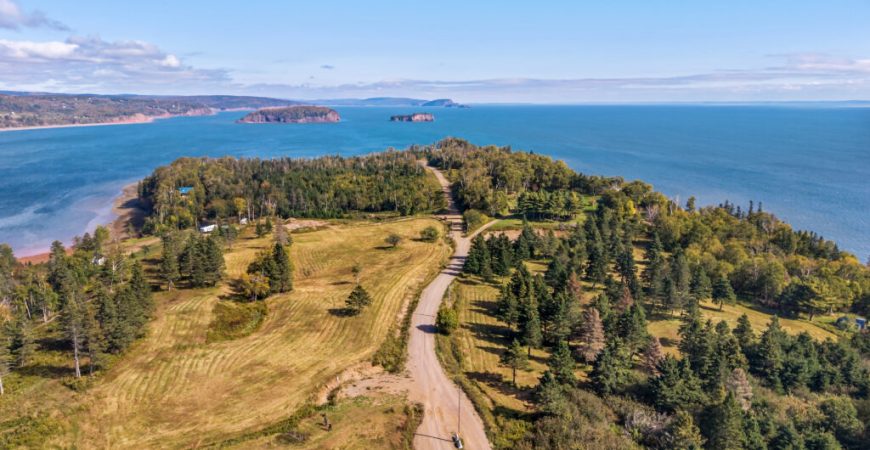
Buying Vacant Land in Nova Scotia: 10 Things to Check Before You Purchase
There’s something exciting about walking onto a piece of land and imagining what it could become.
Maybe you’re dreaming of building your forever home outside Truro, creating a peaceful retreat near Tatamagouche, purchasing waterfront property in Malagash, or investing in acreage somewhere in Cumberland County.
Vacant land offers possibilities that an existing home sometimes can’t.
But here’s something I always want buyers to understand: buying land and buying a house are two very different experiences.
A beautiful parcel of land doesn’t automatically mean you can build on it, access it easily, or use it for everything you have in mind.
Before you fall in love with the views, the privacy, or the price, there are some important questions worth asking.
Let’s explore ten things I recommend investigating before buying vacant land in Nova Scotia.
1. Confirm the Property Boundaries and Survey Information
One of the first things I want to understand about a parcel of land is exactly what is being sold.
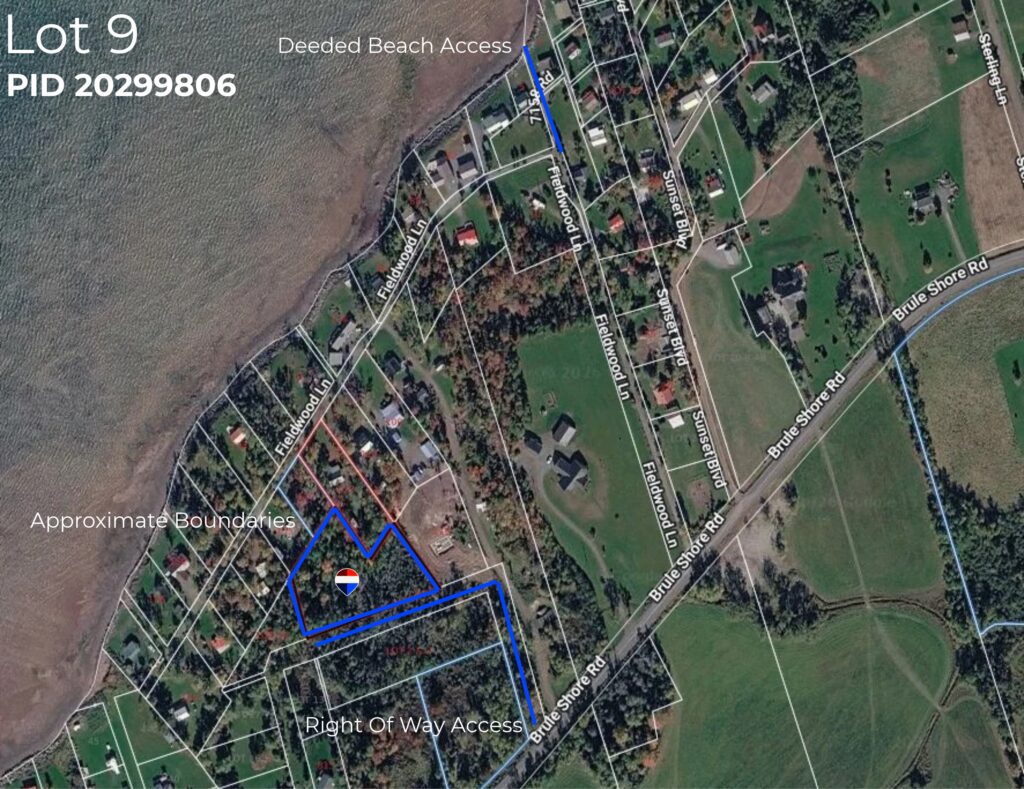
Nova Scotia’s Property Online system provides useful information about property parcels, but mapping information should not automatically be treated as a legal boundary survey.
A property’s boundaries may not follow the existing driveway, tree line, fence, or cleared area.
Before purchasing, investigate whether a current survey or registered survey plan is available.
If the boundaries are uncertain or important to your intended use, consider obtaining advice from a Nova Scotia Land Surveyor.
This becomes especially important when you’re considering building close to property lines, installing a driveway, or purchasing waterfront land.
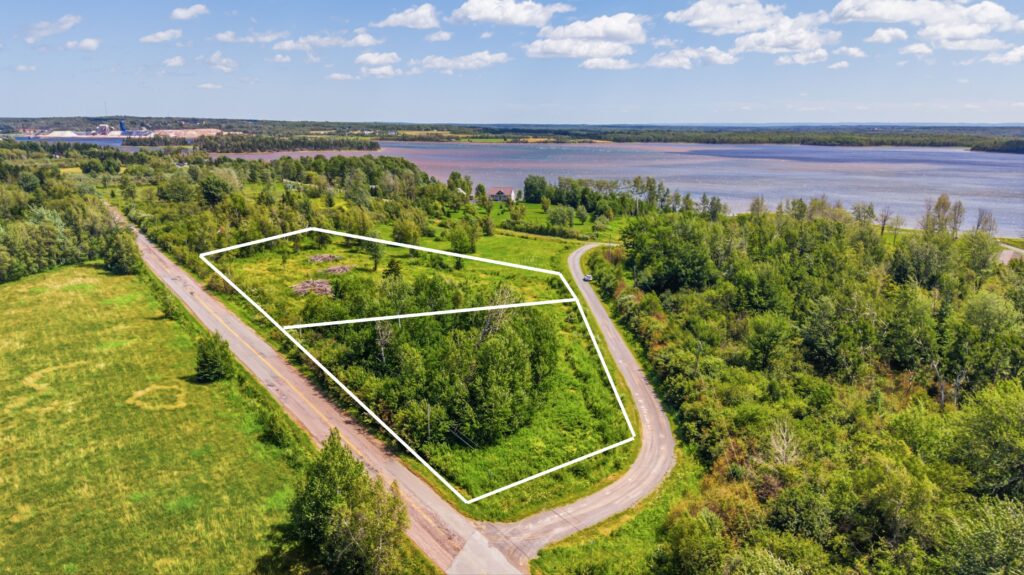
2. Make Sure You Have Legal and Practical Access
This is a big one, particularly with rural acreage.
Just because you can physically drive to a property doesn’t necessarily mean you have the legal right to use that access.
Some parcels front on publicly maintained roads. Others rely on private roads, rights of way, shared driveways, or access arrangements that require careful review.
Ask questions such as:
- Does the property have legal access from a public road?
- Is access provided through a registered right of way?
- Who maintains a private road?
- Is the road accessible year-round?
- Can emergency and construction vehicles reach the property?
- Are there restrictions on improving or using the access?
Your lawyer should review the relevant title and access documents.
For rural land, understanding access is just as important as understanding the acreage.
3. Investigate Zoning and Permitted Uses
One of the most common assumptions buyers make is that owning land means they can do whatever they want with it.
Unfortunately, that isn’t how land-use planning works.
Depending on where the property is located, municipal planning rules and other provincial requirements may affect what can be built or how the land can be used.
You may be considering:
- A single-family home
- A secondary dwelling or guest cottage
- A tiny home
- A hobby farm
- A commercial operation
- A short-term rental
- A campground or recreational use
- Future subdivision or development
Before making a purchase based on any of these plans, confirm the applicable rules with the appropriate municipal planning department and other relevant authorities.
And remember, even when a use is permitted, that doesn’t necessarily mean every part of the property is suitable for construction.
4. Understand the Costs of Installing a Well and Septic System
Many vacant land parcels in rural Nova Scotia don’t have municipal water or sewer services.
If you’re planning to build a home, you’ll likely need to investigate private water and wastewater options.
But don’t assume that installing a well and septic system will be straightforward on every property.
Soil conditions, available space, slopes, groundwater, and other site characteristics can influence what is possible.
Before purchasing, consider speaking with qualified professionals about:
- Potential well locations
- Water supply considerations
- On-site sewage disposal requirements
- Site suitability and assessment
- Installation costs
- Necessary permits and approvals
The cost of making a property buildable can be substantial, and it varies significantly from one parcel to another.
5. Check Whether Electricity and Internet Are Available
A property might look close to existing homes and still require significant investment to connect to electrical service.
The distance from existing infrastructure, terrain, required poles, easements, and service capacity can affect connection costs.
Contact the appropriate utility to investigate service availability and potential connection requirements.
Internet is another important consideration, especially for buyers planning to work remotely.
Don’t rely on general coverage maps alone.
Confirm what providers can actually service the specific property and what installation may involve.
For some buyers, an off-grid property is exactly what they’re looking for.
For others, reliable electricity and high-speed internet are essential.
Neither approach is wrong. You just need to understand the difference before buying.
6. Look Beyond the Acreage and Evaluate the Usable Land
Imagine finding a beautiful ten-acre parcel at a price that seems almost too good to be true.
Now imagine discovering that most of the land is steep, wet, heavily constrained, or difficult to access.
The total acreage might be impressive, but the usable portion may be much smaller.
When evaluating land, consider:
- Terrain and slopes
- Wetlands and watercourses
- Drainage and seasonal flooding
- Soil conditions
- Existing clearings and vegetation
- Potential building locations
- Access to the most usable areas
A smaller parcel with suitable building conditions may be more practical than a much larger property requiring extensive site work.
This is why walking the land, reviewing available mapping, and obtaining professional advice can be so valuable.
7. Understand Waterfront Access and Shoreline Considerations
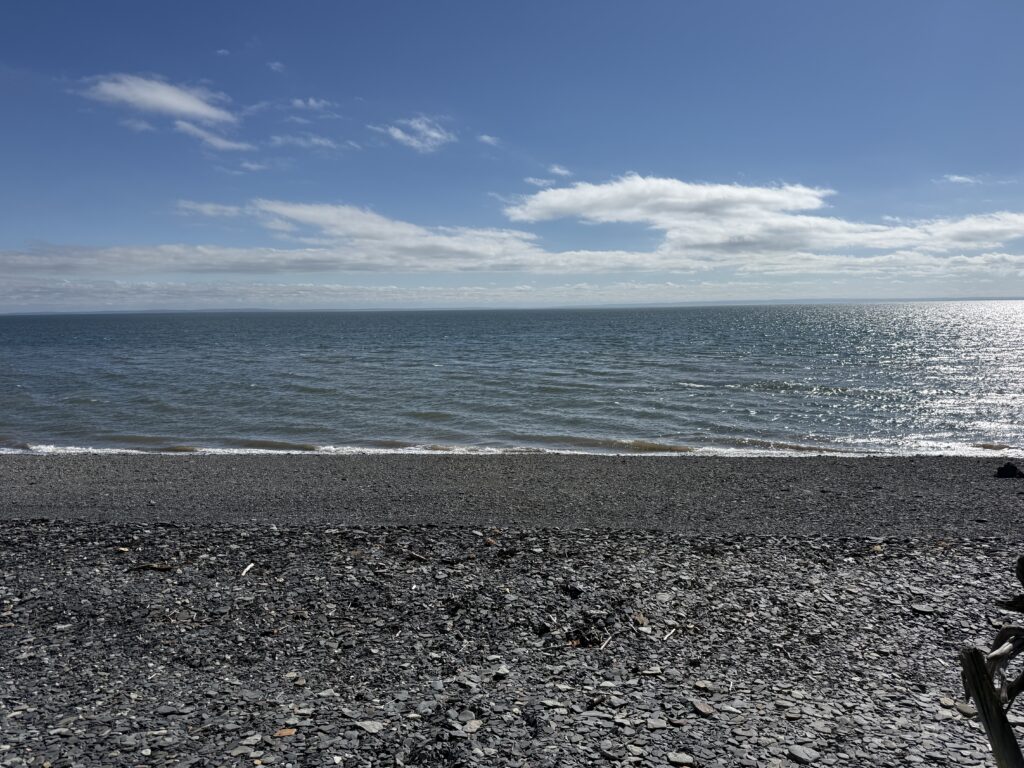
Waterfront and water-view properties are especially appealing throughout Northern Nova Scotia.
From the Northumberland Strait around Tatamagouche, Malagash, Wallace, and Pugwash to the Bay of Fundy near Parrsboro and Advocate Harbour, the scenery can be remarkable.
But waterfront ownership involves questions that go beyond the view.
For example:
Does the property actually extend to the water?
Is the shoreline accessible?
Is the beach privately owned, publicly accessible, or subject to particular rights?
Are there coastal erosion, flooding, or setback considerations?
Does a deeded right of way provide access, and what does that right legally permit?
A property advertised with deeded beach access isn’t necessarily the same as a property with direct waterfront ownership.
Always verify the legal details and investigate site-specific coastal conditions before purchasing.
8. Research Development and Site Preparation Costs
A parcel of land may have an attractive asking price, but the purchase price is only one part of the project.
Depending on the property, you may need to budget for:
- Land surveying
- Driveway and culvert installation
- Tree clearing
- Excavation and grading
- Drainage improvements
- Well drilling
- Septic design and installation
- Electrical connections
- Building permits
- Engineering or environmental assessments
- Construction access
I encourage buyers to investigate these expenses before committing to a property.
The goal is to understand the total cost of turning your vision into reality.
Sometimes, a slightly more expensive lot with an established driveway, cleared building area, or existing services may offer better overall value than a cheaper undeveloped parcel.
9. Consider Financing and Insurance Early
Financing vacant land can be different from financing an existing home.
Down payment requirements, interest rates, lender policies, and available mortgage products may vary based on the property and intended use.
Some lenders may be more cautious about remote, inaccessible, or undeveloped parcels.
If you intend to build, construction financing brings another set of requirements.
Before shopping seriously, speak with a mortgage professional who understands vacant land and construction financing in Nova Scotia.
It’s also worth discussing insurance availability and any coverage considerations relevant to the property or planned construction.
Understanding your financial options early can prevent disappointment later.
10. Think About Future Resale Value
Even if you’re planning to keep the property for decades, I still encourage buyers to consider its future marketability.
Ask yourself:
Will the property appeal to other buyers?
Is access straightforward?
Are there significant development restrictions?
Is the location convenient for the lifestyle it offers?
Could unexpected site costs limit its future value?
Land that suits your personal goals may still be a wonderful purchase, even if it has a smaller potential buyer pool.
The important thing is understanding that trade-off.
Is Buying Vacant Land in Nova Scotia a Good Investment?
It certainly can be, but not every parcel is a good investment simply because land is a limited resource.
The investment potential depends on purchase price, location, access, permitted uses, development costs, carrying expenses, demand, and your intended holding period.
Vacant land generally doesn’t generate income unless it has an appropriate income-producing use.
You’ll also need to consider ongoing costs such as property taxes, financing, maintenance, and potentially insurance.
For investors interested in subdivision or development, the due diligence becomes even more detailed.
Potential subdivision should never be treated as guaranteed until the appropriate requirements and approvals have been investigated.
Frequently Asked Questions About Buying Land in Nova Scotia
Can I build a house on any vacant lot in Nova Scotia?
No. Building potential depends on factors including applicable land-use rules, legal access, site suitability, wastewater requirements, and necessary permits. Confirm your proposed use with the relevant authorities before purchasing.
Do I need a survey when buying vacant land?
Not every transaction requires a new survey, but having reliable boundary information can be extremely valuable. Your lawyer and a Nova Scotia Land Surveyor can advise on the documentation and assessment appropriate for the property.
Can I put a tiny home on vacant land in Nova Scotia?
Possibly. The answer depends on the property’s location, applicable rules, the proposed structure, servicing, and other requirements. Confirm the details with the appropriate authorities rather than assuming a tiny home is exempt from building or land-use regulations.
Is waterfront land more expensive to develop?
It can be. Coastal exposure, terrain, access, drainage, erosion risks, and site restrictions may increase development complexity and costs. Each parcel needs to be evaluated individually.
Can I subdivide land after purchasing it?
Subdivision may be possible, but it depends on the property, applicable subdivision requirements, access, servicing, and approvals. Investigate feasibility before relying on future subdivision as part of your investment strategy.
What should I do before making an offer on vacant land?
Review the available property information, investigate zoning and access, discuss financing, and identify any inspections or professional assessments you may need. Work with your REALTOR® and lawyer to determine appropriate conditions and due diligence timelines.
Looking for Vacant Land in Colchester or Cumberland County?
Some of the most interesting real estate opportunities in Nova Scotia aren’t houses at all.
They’re the wooded acreage, coastal parcels, building lots, and rural properties waiting for someone with a vision.
I work with buyers and sellers throughout Truro, Bible Hill, Tatamagouche, Malagash, Parrsboro, Pugwash, Advocate Harbour, and surrounding communities.
With my background in real estate investing, renovations, and property development opportunities, I enjoy helping buyers look beyond the listing photos and understand what a property may realistically offer.
Whether you’re searching for your first building lot, planning a future retirement property, or exploring a larger land investment, I’m happy to help you work through the details.
Take the next step in your land search
Read the detailed vacant-land due-diligence checklist and compare Northern Nova Scotia communities. Discuss your land-search plans with Rachel.
Rachel Thibodeau, REALTOR® | CIAS
RE/MAX County Line Realty Ltd.
Cell: 902-890-4211
Email: reachrealtorrachel@gmail.com
Website: rachelthibodeau.ca
Instagram @novascotiarealtorrachel
Facebook @rachelthibodeaurealtornovascotia
LinkedIn @novascotiarealtorrachel
TikTok @novascotiarealtorrachel
Pinterest @novascotiarealtorrachel
2025 RE/MAX 100% Club
2026 NSAR Committees: Education · Bursary · PMAC + Policy
“Strategic Guidance. Genuine Care.”


