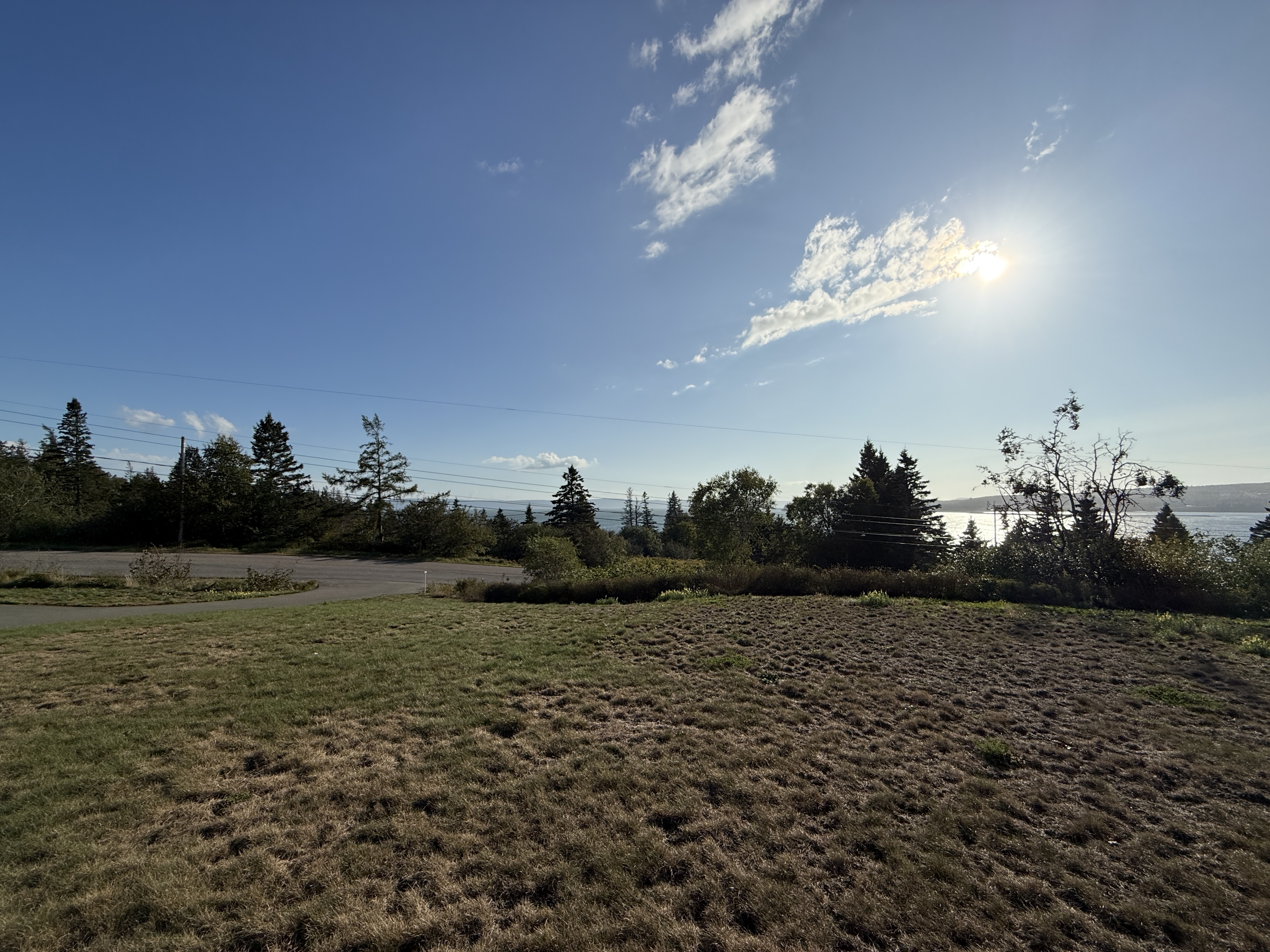
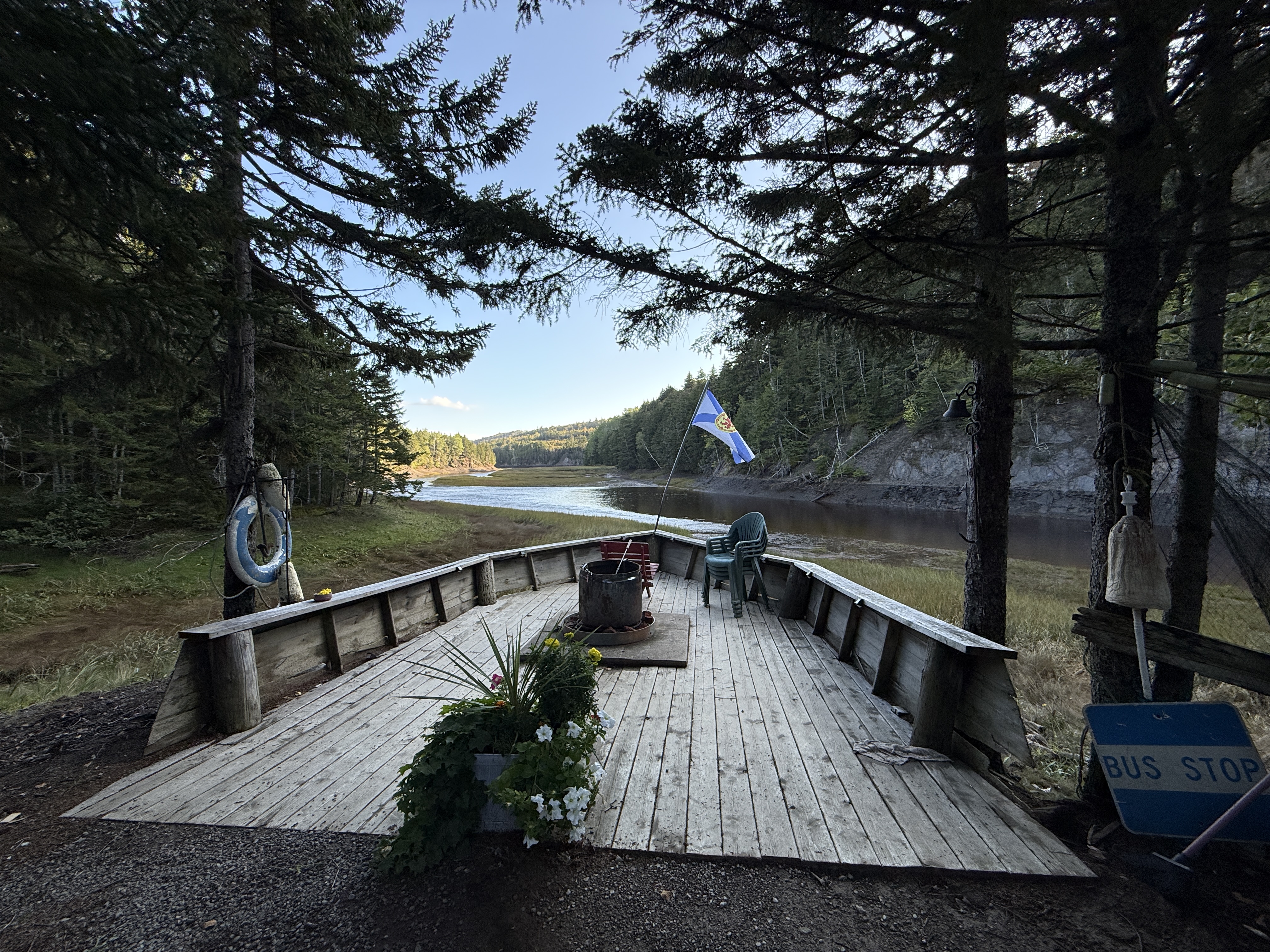
Buying a house in Nova Scotia in October or November can actually tell you some things about a property that aren’t nearly as obvious in July.
It’s colder.
It’s wetter.
The leaves are coming down.
The heating system is running.
And suddenly you get to see how the property behaves when Nova Scotia weather starts being, well, Nova Scotia weather.
But buying this time of year also means you’re getting fairly close to winter.
If something important needs attention, you may have less time to deal with it before snow and freezing temperatures arrive.
So when I’m walking through a property with a buyer in the fall, these are some of the things I want on our radar.
And an important distinction before we start:
I’m your REALTOR®, not your home inspector.
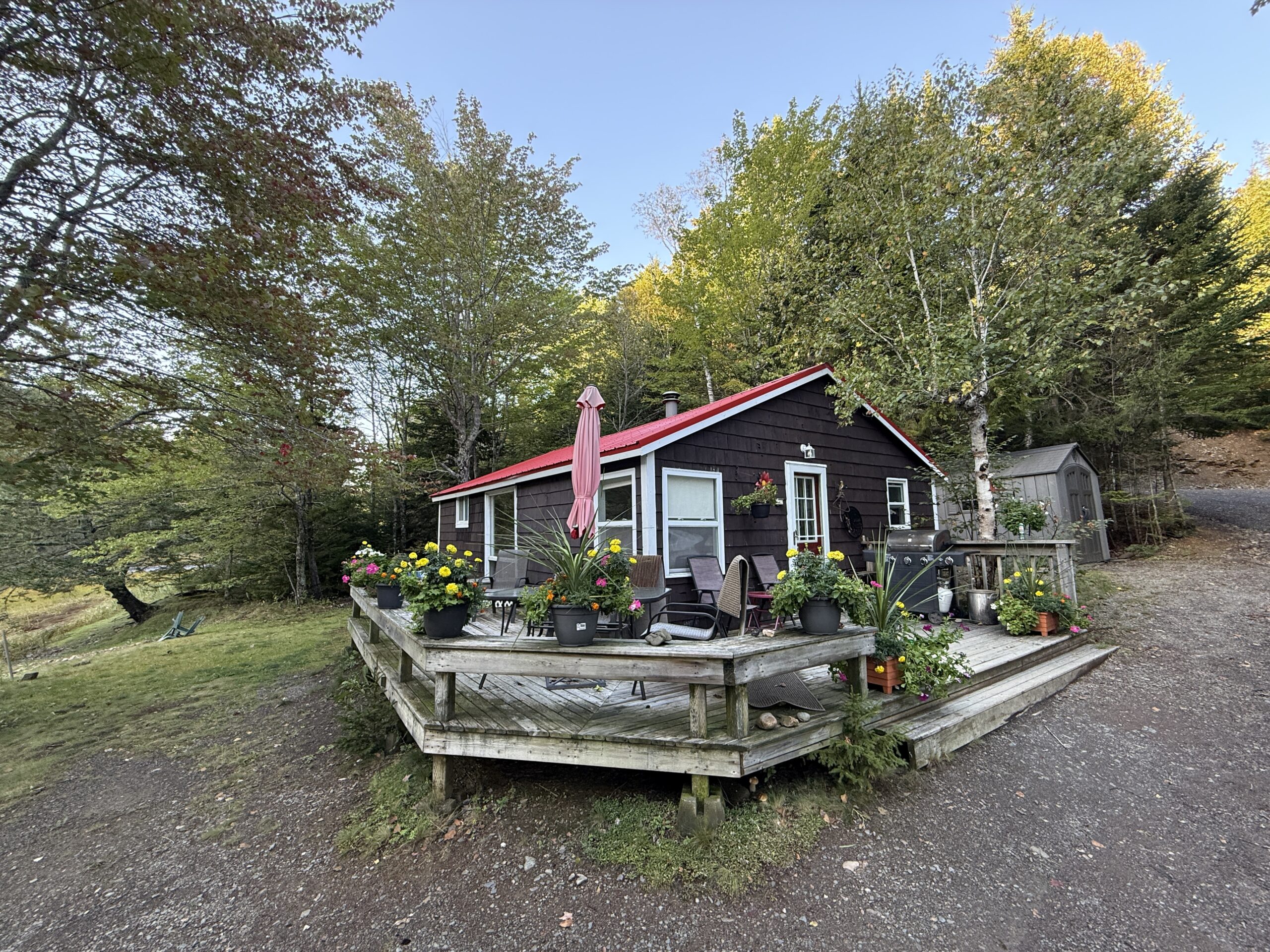
My job is to help you recognize questions worth asking, build appropriate due diligence into your purchase and connect you with the right professionals when we need answers.
1. Start With the Heating System
This is the obvious one.
If you’re buying a Nova Scotia home heading into winter, I want to understand how you’re going to heat it.
Not just what the MLS® listing says.
Actually understand it.
Does the home have heat pumps?
Electric baseboards?
Oil?
A boiler?
Forced air?
Wood?
Propane?
More than one heat source?
How old is the equipment?
Has it been maintained?
Which system does the current owner actually use most?
And is there a backup heat source?
A house having three listed heating types doesn’t necessarily mean all three are being used equally.
Ask questions.
2. Ask for Heating and Electricity History
When available, historical energy information can be extremely useful.
It isn’t a promise of what you will spend.
Different families have different habits.
Someone who keeps their home at 18°C will obviously use energy differently from someone who likes it at 23°C.
But historical information can still give you context.
If oil is used, ask about consumption.
If the property primarily uses electricity, ask about power usage.
If there’s wood heat, ask roughly how much wood the seller burns.
We’re trying to build a picture of how the home actually operates.
3. Look Up
Your roof is about to have a job to do.
Fall is a good time to ask about:
Roof age
Roofing material
Previous repairs
Leaks
Flashing
Gutters
Downspouts
And any known history of water intrusion.
Your home inspector can assess visible components and identify concerns within the scope of the inspection.
If something requires specialized evaluation, we can investigate further.
I’d much rather know about a questionable roof in October than discover it during a February storm.
4. Follow the Water
This is one of my favourite pieces of advice with any property.
Look at where the water goes.
Walk around outside.
Where does the land slope?
Where do the downspouts discharge?
Is water being directed away from the foundation?
Are there obvious low areas?
Does the basement smell damp?
Are there signs of previous water intrusion?
Are there sump pumps?
If it’s raining during your showing, don’t automatically consider that bad luck.
Sometimes rain gives you information sunshine can’t.
5. Pay Attention to the Basement
Basements can tell stories.
Especially older Nova Scotia basements.
A basement doesn’t need to look like a finished suburban rec room to be perfectly functional.
But I want buyers paying attention.
Moisture.
Cracks.
Water staining.
Efflorescence.
Musty smells.
Sump pumps.
Dehumidifiers.
Exposed plumbing.
Electrical systems.
Heating equipment.
Oil tanks.
And evidence of previous repairs.
Your inspector is going to look much more closely, but don’t spend the entire showing upstairs admiring the kitchen.
Go downstairs.
6. Check the Windows and Doors
Cold weather can make drafts considerably easier to notice.
How old are the windows?
Do they open and close properly?
Is there condensation between panes?
Can you feel significant air movement?
How do the exterior doors seal?
Windows don’t have to be brand new for a home to be worth buying.
But their condition can affect comfort, energy efficiency and your future improvement budget.
7. Ask About Insulation
You can’t evaluate an entire home’s insulation by looking at a wall.
But your inspector may be able to observe insulation in accessible areas such as an attic or unfinished basement.
Ask what is visible.
An efficient heating system is only part of the equation.
If the building loses heat rapidly, that matters too.
8. If There’s a Chimney, Investigate It
Wood stove?
Fireplace?
Oil system venting through a chimney?
I want to know about it.
Ask when the chimney was last cleaned or inspected.
Your home inspector may recommend further evaluation by a qualified chimney professional depending on the system and what they observe.
And if you plan to use a wood stove or fireplace, talk to your insurance provider too.
Don’t wait until closing week to find out there’s an insurance requirement you weren’t expecting.
9. Check the Oil Tank
If the home uses oil, the tank deserves attention separately from the furnace or boiler.
Look at its age, location and condition.
Ask whether documentation is available.
And contact your insurance provider early in the process.
Insurers can have their own requirements concerning oil tanks and heating equipment.
An older oil tank doesn’t automatically mean you shouldn’t buy the house.
It means you need to understand what you’re buying and whether changes may be required.
10. Rural Property? Find the Well
If you’re buying outside municipal water service, don’t let closing day be the first time you seriously think about the well.
What type of well is it?
Drilled?
Dug?
Where is it located?
Is there a well record?
Has the water been tested?
What is known about quantity?
How old is the pump?
If there’s a treatment system, what does it do?
And here’s something people moving from municipal water sometimes don’t realize:
Your well pump typically needs electricity.
So during a power outage, your water supply can also be affected.
That’s worth thinking about before winter.
11. Understand the Septic System
If the property isn’t on municipal sewer, find out what you can about the onsite sewage system.
Where is the tank?
Where is the field?
When was it last pumped?
Is documentation available?
How old is the system?
Has the seller experienced any problems?
Depending on the transaction and property, additional septic investigation may form part of your due diligence.
And remember that snow can make parts of a property harder to inspect.
This is one reason fall due diligence can be valuable.
12. Look at the Driveway
This one gets overlooked.
That gorgeous 500 foot driveway surrounded by trees?
Beautiful.
Now picture it with 30 centimetres of snow.
Who’s plowing it?
Where will the snow go?
What’s the surface?
Is it steep?
Does it drain properly?
Is there room for a plow to turn around?
If you’re moving from an urban neighbourhood into rural Nova Scotia, driveway maintenance can be a completely new responsibility.
You don’t need to fear it.
You just need to know it’s yours.
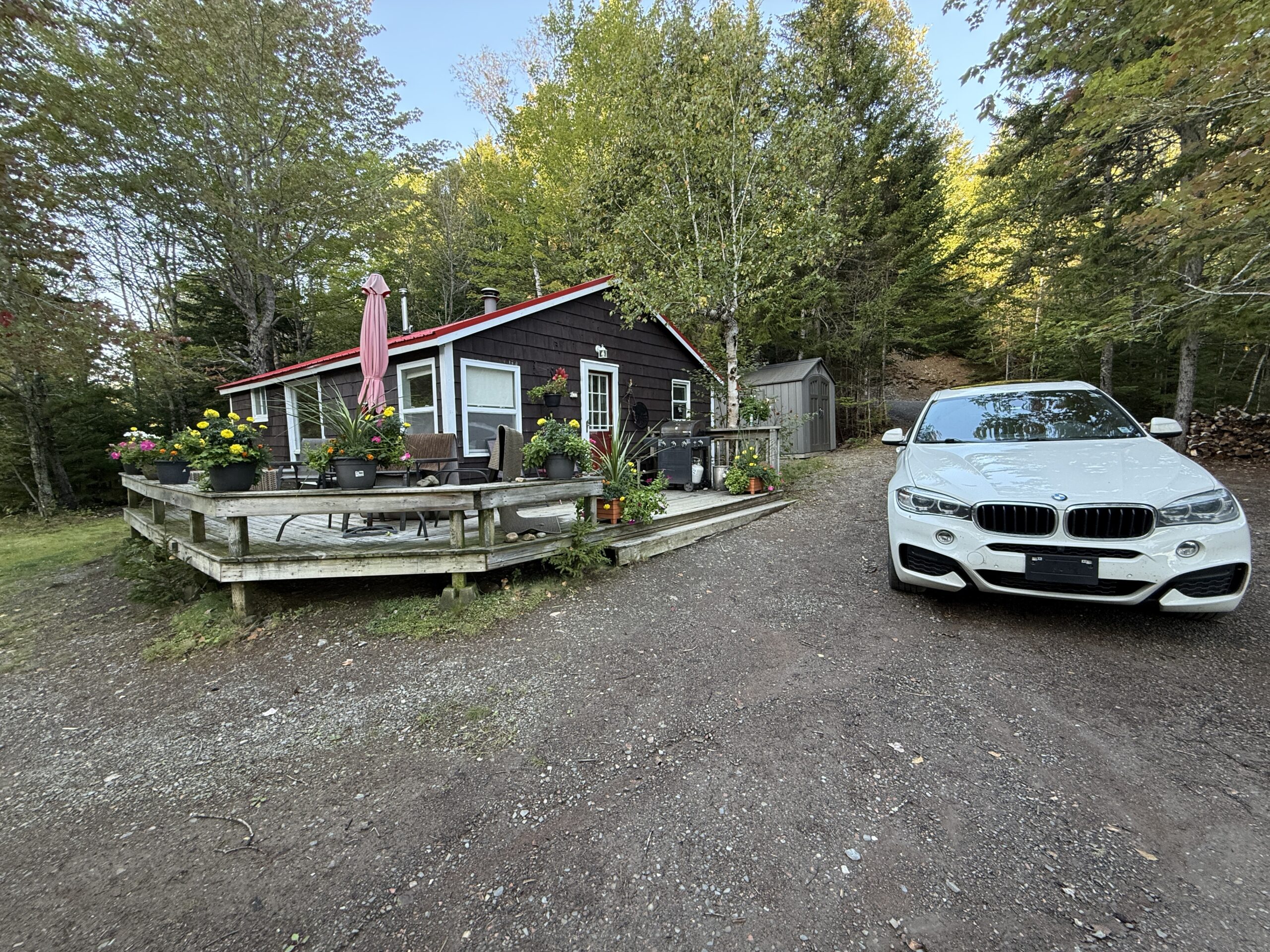
13. Private Road? Ask About Winter Maintenance
This is especially important for rural properties and cottages.
If the property is accessed by a private road:
Who plows it?
Who pays?
Is there a formal road association?
Is maintenance shared?
Is winter access guaranteed?
Is the road maintained year round?
Is there a registered right of way?
A beautiful property isn’t much use if your understanding of winter access doesn’t match reality.
14. Look at the Trees
Nova Scotia storms can bring significant wind.
Take a look around the property.
Are there large trees close to the house?
Dead trees?
Branches over the roof?
Trees near power lines?
Again, I’m not suggesting every large tree is dangerous.
Trees are one of the reasons many rural properties are beautiful.
But mature trees also need maintenance.
If something looks concerning, get the appropriate professional opinion.
15. Where Does the Power Come From?
For rural properties especially, look at how electrical service reaches the home.
Overhead lines?
Underground?
Long run from the road?
Trees around the lines?
And ask about the seller’s experience with outages.
You can also look for backup infrastructure.
Generator panel?
Transfer switch?
Permanent generator?
Portable generator connection?
Wood stove?
If you’re buying somewhere rural, a backup plan can be a very nice thing to inherit.
16. Check Exterior Faucets and Plumbing
Heading into freezing temperatures, exterior plumbing deserves attention.
Are outdoor taps frost free?
Are seasonal water lines present?
Is there plumbing in an unheated outbuilding?
Are there pipes running through areas that could freeze?
If you’re buying a cottage or seasonal property, ask about the winterization process.
“What do you do with this property every November?” can be a surprisingly useful question.
17. Outbuildings Count Too
Garages, barns, bunkies, workshops and sheds are part of what you’re buying.
Take a look at them.
Roof condition.
Electrical service.
Foundations.
Drainage.
Doors.
Heating systems.
Water lines.
If the listing says an outbuilding is wired, heated or insulated and those features matter to you, investigate them.
That workshop you’re already mentally filling with tools deserves some due diligence too.
18. Think About Snow Before There’s Snow
Look at the property and imagine winter.
Where will you park?
Where will a plow push snow?
Who clears the walkway?
Is the driveway steep?
Are the entrances protected?
Where does roof snow fall?
Is there a detached garage you’ll need to reach?
How far is the house from the road?
These aren’t reasons not to buy a rural property.
They’re simply part of understanding the lifestyle you’re buying.
19. Get Your Insurance Quote Early
Please don’t leave insurance until the last minute.
Older homes, oil tanks, wood heat, electrical systems, certain roofing conditions and other property characteristics can affect insurance.
Your insurer may ask questions you don’t yet have answers to.
Great.
Now we know what information we need to find.
Insurance belongs in due diligence, not on the night before your lawyer needs confirmation.
20. Don’t Skip the Home Inspection Because the House Looks Beautiful
Fresh paint doesn’t tell you how the house works.
Neither does a renovated kitchen.
A qualified home inspector can evaluate accessible systems and components and identify issues or areas that warrant further investigation.
An inspection doesn’t guarantee that nothing will ever go wrong.
Homes are homes.
Things happen.
The goal is to learn as much as reasonably possible before you take ownership.
Fall Can Actually Be a Great Time to Learn About a House
There are things I like about fall showings.
The heat may already be running.
You can feel drafts.
Rain can expose drainage issues.
The basement may tell us more.
The yard isn’t hidden beneath snow yet.
We can see the driveway, grading, septic area and exterior.
You’re getting a glimpse of the property as it transitions into the season where your house has to work a little harder.
Use that opportunity.
You’re Not Just Buying the House You See Today
You’re buying the house you’ll own in January.
And March.
And during a rainstorm.
And during a power outage.
And when the driveway needs plowing before work.
That’s why I want buyers thinking beyond whether they love the house during a 30 minute showing.
How does it function?
What does it require?
What will it cost to operate?
What still needs investigation?
And does that reality fit your life?
That’s the kind of due diligence that helps you buy with your eyes open.
Buying a Home in Nova Scotia This Fall?
If you’re buying in Truro, Bible Hill, Colchester County, Cumberland County, Tatamagouche, Parrsboro, the North Shore or elsewhere throughout Northern Nova Scotia, I’ll help you look beyond the listing photos.
We’ll identify the questions.
Bring in the appropriate professionals.
Investigate what needs investigating.
And make sure you understand as much as reasonably possible about the property before you move forward.
Because the goal isn’t simply to get you the house.
It’s to help you make an informed decision about whether it’s the right house for you.
Rachel Thibodeau, REALTOR®
RE/MAX COUNTY LINE REALTY LTD.
902 890 4211
reachrealtorrachel@gmail.com
rachelthibodeau.ca
@novascotiarealtorrachel
Strategic Guidance. Genuine Care.