I work with buyers relocating to Nova Scotia, and there’s a point in almost every relocation search where the conversation changes.
At first, we’re talking about houses.
Bedrooms.
Bathrooms.
Budget.
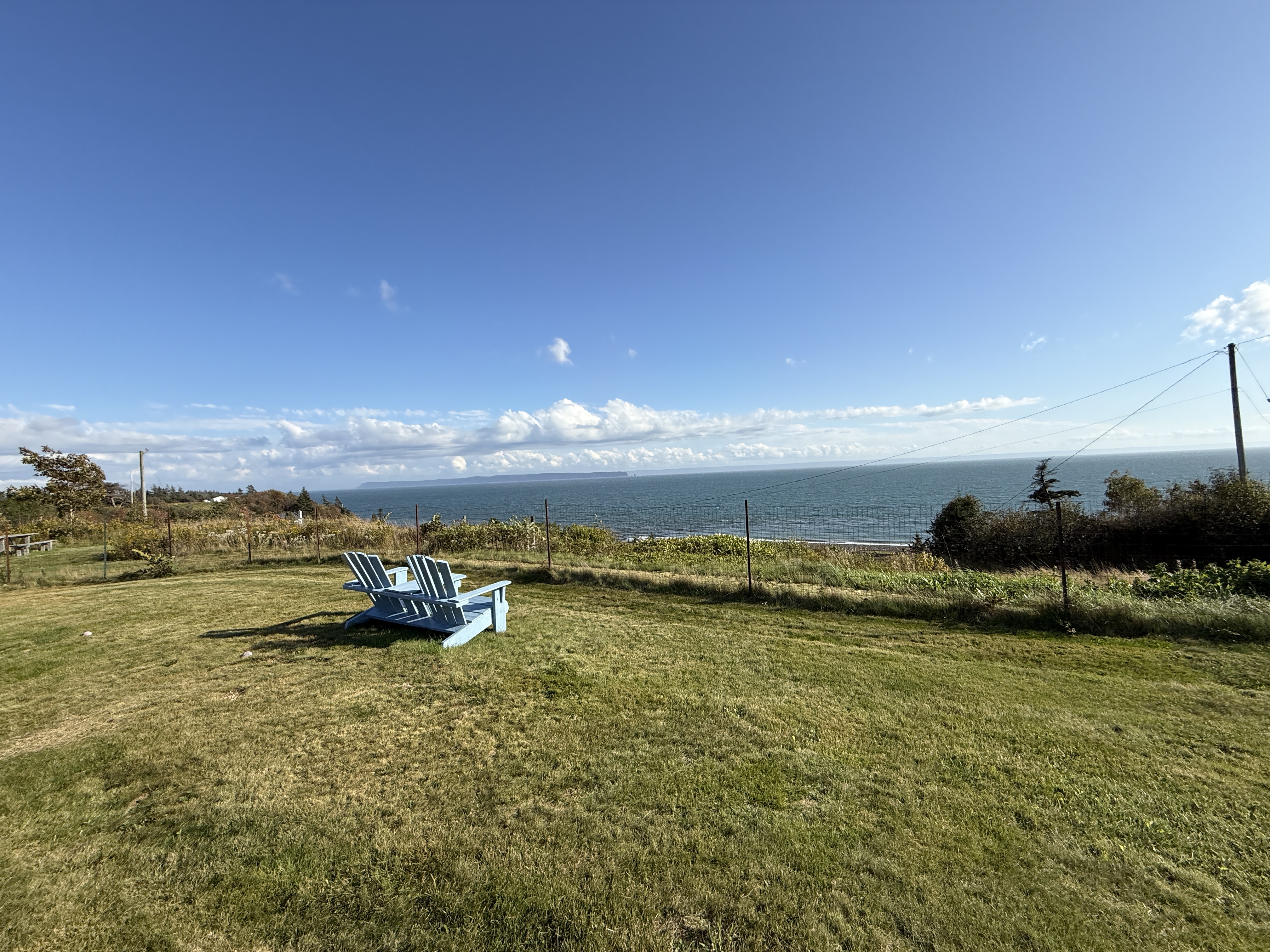
Maybe waterfront.
Then we start looking at actual properties and suddenly the questions become:
“Wait, the house has a well?”
“What’s a dug well?”
“Why does it have three heating systems?”
“How far is that from groceries?”
“Is that road plowed in winter?”
And my favourite:
“You mean I could potentially get THAT much land?”
Moving from Ontario to Nova Scotia isn’t simply swapping one house for another in a different province.
Depending on where you choose to live, you may also be changing how you heat your home, where your water comes from, how far you drive, what you maintain and what you expect from your community.
None of that is inherently better or worse.
It’s just different.
And understanding those differences before you buy can make your move considerably easier.
Here are some of the things I find surprise relocating buyers most.
1. Nova Scotia Isn’t One Real Estate Market
This is probably the first thing I want relocating buyers to understand.
Looking at the “average Nova Scotia home price” only tells you so much.
Halifax is different from Truro.
Truro is different from Tatamagouche.
Tatamagouche is different from Parrsboro.
Amherst is different again.
And a rural property 20 minutes outside any of those communities may represent an entirely different type of real estate.
This is why your budget might feel restrictive in one part of Nova Scotia and surprisingly flexible in another.
Instead of asking:
“What can I afford in Nova Scotia?”
Ask:
“Where in Nova Scotia gives me the lifestyle and property I want within my budget?”
That’s a much better starting point.
2. You May Be Able to Consider More Land
This is one of the fun parts.
Buyers who have been searching in expensive Ontario markets sometimes arrive with very modest expectations for lot size.
Then I send them something with two acres.
Or ten.
Or twenty.
And suddenly the search changes.
More land can mean privacy, outbuildings, gardens, workshops, space for animals or simply not being able to reach your neighbour’s house with a garden hose.
But acreage also comes with questions.
How much of it is usable?
Is it wooded?
Wet?
Steep?
What are you actually responsible for maintaining?
Is there subdivision potential?
More land can be amazing.
Just make sure you want the responsibility that comes with it.
3. Wells and Septic Systems Are Normal
If you’ve always lived on municipal water and sewer, seeing well and septic on a listing can sound intimidating.
In rural Nova Scotia, they’re extremely common.
A private well supplies the property’s water.
An onsite sewage disposal system handles wastewater.
Neither should automatically scare you away from a property.
They simply require different due diligence.
For a well, I want to understand things such as the type of well, available records, water quality and what is known about quantity.
For septic, I want to know what information exists about the system, its location, maintenance history and condition.
Once you’ve owned a rural property, these systems may feel completely normal.
But they deserve investigation before you buy.
4. Nova Scotia Homes Can Have a Lot of Heating Systems
Ontario buyers sometimes look at our MLS® heating section and wonder what exactly is happening over here.
Heat pump.
Oil.
Electric baseboard.
Wood stove.
Boiler.
Propane.
Sometimes several of them in the same house.
This isn’t automatically a red flag.
Many Nova Scotia homeowners have added more efficient or convenient heating systems over time while retaining an original system as backup.
For example, a house might technically have electric baseboards throughout but use ductless heat pumps for most everyday heating.
Another might have an oil furnace plus a heat pump and wood stove.
Don’t just ask what heating systems exist.
Ask how the current owners actually heat the house.
5. Property Taxes Need a Closer Look
This is a big one.
Don’t assume the annual property taxes shown for the current owner will necessarily be your future property taxes.
Nova Scotia has a Capped Assessment Program that can limit increases in the taxable assessment of qualifying properties.
That means a longtime owner’s taxable assessed value may be lower than the property’s assessed market value.
Following certain sales, that accumulated CAP treatment doesn’t simply transfer unchanged to the purchaser.
So when you’re comparing properties, I want you looking beyond the seller’s current tax bill.
Understand the assessment.
Understand the taxable assessment.
Understand the applicable municipal tax rates.
This is one of those boring details that becomes considerably more interesting when it affects your monthly budget.
6. Your Closing Costs Are Different Too
Moving provinces means learning a new closing process.
Depending on where you’re buying, deed transfer tax can be part of your closing costs.
You’ll also have legal expenses and potentially other transaction costs depending on your purchase.
If you’re selling in Ontario and buying in Nova Scotia, don’t assume the numbers and processes will work exactly the same way.
Before we start writing offers, I want you to have a realistic understanding of the cash you’ll need to close.
7. Twenty Minutes Can Completely Change the Property
This is one of the biggest differences I see when buyers start searching Northern Nova Scotia.
You might begin by asking for a house “in Truro.”
But what if we move 15 minutes outside town?
Suddenly we might be talking about:
A larger lot.
A garage.
A workshop.
More privacy.
A rural setting.
A well and septic system.
Lower density.
Or simply a completely different style of home.
The same thing happens around Tatamagouche, Amherst, Parrsboro and other communities.
Don’t automatically make the town boundary your search boundary.
Sometimes the property you actually want is just outside it.
8. Distance Works Differently Here
A property being 25 minutes from town doesn’t necessarily mean 25 minutes of traffic.
It might mean 25 minutes of rural road.
That’s a very different experience.
At the same time, you need to think about what that drive looks like in February.
How often do you need groceries?
Where do you work?
Where will your children go to school?
How often do you need medical appointments?
How comfortable are you driving rural roads in winter?
The scenery might make a longer drive worthwhile.
But you need to decide that for yourself.

9. Smaller Communities Can Still Have a Lot Going On
Relocating buyers sometimes assume that moving outside Halifax means giving up community life.
That’s not necessarily true.
Truro functions as a regional service centre with shopping, restaurants, recreation and major highway access.
Tatamagouche has developed a strong identity around local businesses, food, recreation and the North Shore lifestyle.
Parrsboro has arts, history, incredible Bay of Fundy scenery and its own community character.
Amherst serves as an important commercial centre for Cumberland County.
And then there are dozens of smaller communities around them.
The trick isn’t finding the “best” town.
It’s finding the community that fits you.
10. The Ocean Can Become Part of Your Real Estate Search
This is where Nova Scotia gets dangerous for your original house hunting plan.
You start out wanting a three bedroom house.
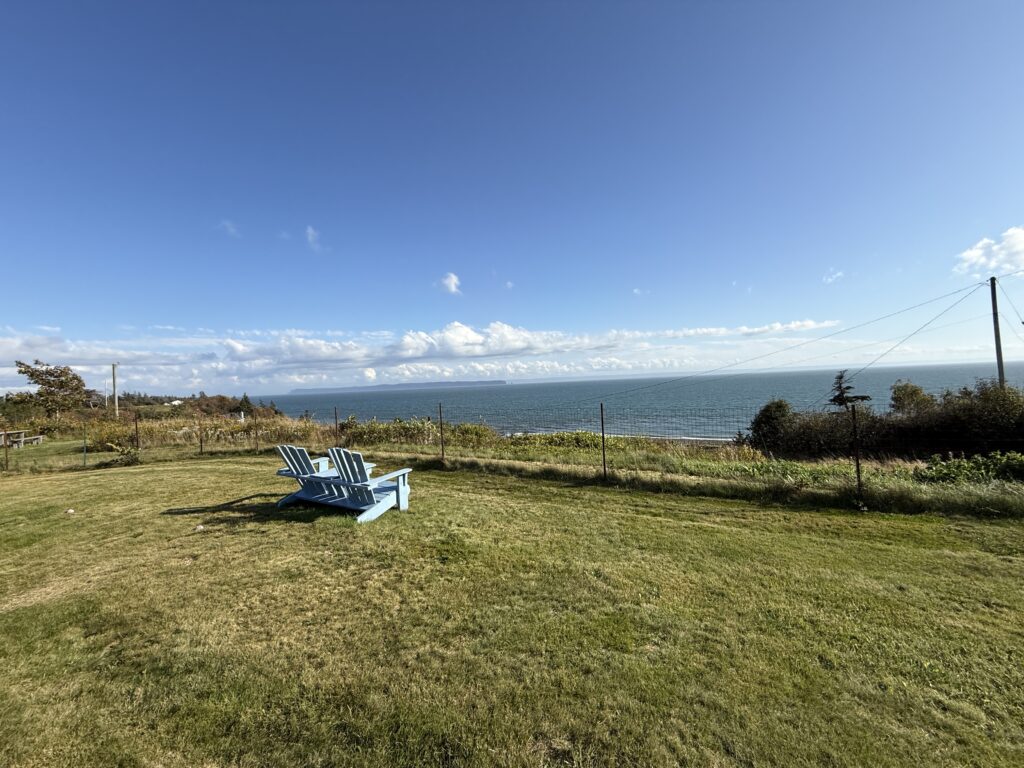
Then someone shows you an ocean view.
Now we’re in trouble.
Northern Nova Scotia gives buyers access to very different coastlines.
The Northumberland Shore around Tatamagouche, Malagash, Brule, Wallace and Pugwash offers one coastal experience.
The Bay of Fundy around Parrsboro, Five Islands and Advocate Harbour offers another.
You may encounter direct waterfront, deeded beach access, rights of way, water views or properties simply located near the coast.
Those terms don’t mean the same thing.
If water matters to you, we’ll investigate exactly what you’re buying.
11. Internet Should Be Verified Before You Buy
If you’re bringing your Ontario job with you and working remotely, this is important.
Don’t assume rural internet service based on the general community.
Check the actual property.
The difference between reliable high speed internet and limited service can completely change whether a rural home works for you.
If your income depends on connectivity, internet isn’t an amenity.
It’s due diligence.
12. Rural Roads Can Be Private
Another surprise.
A road leading to a house isn’t necessarily publicly maintained.
Some Nova Scotia properties are accessed over private roads or rights of way.
That means we may need to investigate:
Legal access.
Maintenance.
Snow removal.
Shared costs.
Road associations.
And whether the road is maintained year round.
This becomes particularly important if you’re looking at cottages, waterfront properties or rural acreage.
13. Your Home Inspector Matters
Older Nova Scotia homes can have layers of history.
Renovations.
Additions.
Different electrical eras.
Different heating systems.
Stone foundations.
Older basements.
Wells.
Septic systems.
Wood stoves.
Outbuildings.
That’s part of what makes some of these properties interesting.
It also means due diligence matters.
A home inspection isn’t about trying to find a perfect house.
It’s about understanding the house you’re considering.
14. You Might Need to Broaden Your Definition of “Move In Ready”
This can go both ways.
Some buyers arrive expecting everything to look like newer suburban construction.
But Northern Nova Scotia has plenty of older housing stock.
You may find a house with an incredible view, beautiful land, a huge garage and a kitchen from 1997.
That kitchen can be changed.
The six acres behind it can’t be manufactured later.
This is where I encourage buyers to separate:
Things you can change
from
things you can’t.
Paint can change.
Flooring can change.
Cabinets can change.
Location can’t.
Lot size usually can’t.
The ocean definitely isn’t moving closer because you dislike the countertops.
15. You Don’t Need to Know Exactly Where You Want to Live Yet
This might be the most reassuring thing I can tell someone relocating.
You don’t need to arrive saying:
“We are definitely buying in this exact town.”
Tell me instead:
Your budget.
Your work situation.
Whether you need schools nearby.
How much driving you’re comfortable doing.
Whether you want land.
Whether you want waterfront.
Whether you want neighbours.
Whether you need a garage.
Whether you’re willing to renovate.
And what you picture yourself doing on a Saturday morning.
That’s enough to start.
We can figure out the map together.
Come Visit Before You Decide
If it’s practical, spend time in the communities you’re considering.
And don’t only visit the tourist attractions.
Go grocery shopping.
Drive from a potential neighbourhood to the places you’ll actually use.
Have lunch.
Walk around.
Drive the route at night.
See how long it takes to get to the highway.
If you’re considering rural living, drive beyond town.
You’re not choosing somewhere to vacation.
You’re choosing somewhere to buy toothpaste on a Wednesday night.
That distinction matters.
Don’t Try to Recreate Ontario in Nova Scotia
This may be the most important mindset shift.
You’re moving because something about Nova Scotia appeals to you.
Give yourself permission to consider a different kind of life.
Maybe that means a smaller house and more land.
Maybe it’s living near the ocean.
Maybe it’s leaving a larger city for Truro.
Maybe it’s moving into a tiny community you’ve never heard of.
Maybe it’s finally having the workshop you’ve always wanted.
You don’t need your Nova Scotia life to look exactly like your Ontario life with a different postal code.
Sometimes the opportunity is that it doesn’t.
Moving From Ontario to Nova Scotia?
Relocation is one of my favourite types of real estate to work with because the house is only one part of the decision.
You’re choosing a community.
A lifestyle.
A commute.
A property.
And sometimes a completely different way of living.
I work with buyers throughout Truro, Bible Hill, Colchester County, Cumberland County, Tatamagouche, the North Shore, Parrsboro, Amherst, Pugwash and communities throughout Northern Nova Scotia.
So you don’t need to know exactly where you belong before you contact me.
Tell me what you’re hoping this move gives you.
Then we’ll figure out where in Nova Scotia we should start looking.
Rachel Thibodeau, REALTOR®
RE/MAX COUNTY LINE REALTY LTD.
902 890 4211
reachrealtorrachel@gmail.com
rachelthibodeau.ca
@novascotiarealtorrachel
Strategic Guidance. Genuine Care.